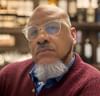
[00:00:00] Welcome. I'm Erik Fleming, host of a Moment with Erik Fleming, the podcast of our time.
[00:00:07] I want to personally thank you for listening to the podcast. If you like what you're hearing,
[00:00:11] then I need you to do a few things. First, I need subscribers. I'm on Patreon at patreon.com slash a moment with Erik Fleming.
[00:00:20] Your subscription allows an independent podcaster like me to free them to speak truth to power and to expand and improve the show.
[00:00:29] Second, leave a five star review for the podcast on the streaming servers you listen to. That will help the podcast tremendously.
[00:00:37] Third, go to the website momenteric.com. There you can subscribe to the podcast, leave reviews and comments, listen to past episodes, and even learn a little bit about your host.
[00:00:48] Lastly, don't keep this a secret like it's your own personal guilty pleasure.
[00:00:53] Tell someone else about the podcast, encourage others to listen to the podcast and share the podcast on your social media platforms because it is time to make this moment a movement.
[00:01:05] Thanks in advance for supporting the podcast of our time. I hope you enjoyed this episode as well.
[00:01:23] Hello, welcome to another moment with Erik Fleming. I am your host, Eric Fleming. And as always, we've got a great show for you.
[00:01:45] I have a couple of guests today that I think should give you some inspiration and some guidance on how to navigate and participate in our current political climate.
[00:02:04] I'm really honored to have had these guests come on. And I think you'll gain something from their expertise.
[00:02:17] Having said all that, you know what time it is ladies and gentlemen, it is time for a moment of news with Grace G.
[00:02:26] Thanks, Eric.
[00:02:33] President Joe Biden and former president Donald Trump have secured their respective party's nominations, setting up a presidential election rematch.
[00:02:42] This following a forceful state of the union address by president Biden criticizing Donald Trump and outlining his case for re-election.
[00:02:50] Some charges against Donald Trump in the Georgia election subversion case were dismissed, but the central racketeering charge remains.
[00:02:57] The US House passed a bill targeting TikTok, which could lead to a ban if the Chinese owned apps US assets are not divested.
[00:03:05] The centrist political group No Labels is preparing to announce a presidential ticket soon despite concerns about finding suitable candidates for a third party challenge.
[00:03:15] Department of Housing and Urban Development Secretary Marsha Fudge announced her retirement after an extensive career in public service, effective March 22nd.
[00:03:24] Donald Trump's influence on the Republican National Committee was reinforced with the appointment of Laura Trump and Michael Watley to top leadership roles in the party.
[00:03:33] Republican Representative Ken Bach of Colorado will leave Congress early, citing a breakdown of civility.
[00:03:39] Argan Governor Tina Kotex signed a bill to recriminalize drug use, rolling back the state's previous decriminalization of lesser amounts of drugs.
[00:03:49] The police chief of Uval, Texas resigned after an independent investigation cleared officers of wrongdoing in the 2022 school shooting, which contrasts previous critical reports.
[00:04:00] Donald Trump posted a $91.6 million bond as he appeals a defamation verdict in favor of writer E. Jean Carroll, who accused him of rape.
[00:04:10] Two soldiers and a US border patrol agent died when a UH-72 Lakota helicopter crashed in Texas while on patrol along the US-Mexico border.
[00:04:19] A federal judge in Texas dismissed a lawsuit by Republican-led states challenging the Biden administration's migrant entry program.
[00:04:27] And the US saw an increase in the unemployment rate to 3.9% in February.
[00:04:34] I am Grace G, and this has been a moment of news.
[00:04:46] Alright, thank you Grace for that moment of news.
[00:04:50] And now, it is time for our first guest, Corey Nathan.
[00:04:56] Corey Nathan started out as a stockbroker during the day while he was studying at a theater conservatory at night.
[00:05:03] Since then he's been an entrepreneur with one foot in business and one foot in creative pursuits having built and managed such endeavors as,
[00:05:12] especially head hunting firm, a theater and film ensemble, a residential and commercial service company, 501C3 to help folks during the pandemic,
[00:05:21] and most recently, a new media-slash content company.
[00:05:26] Personally, Corey was raised in an observant Jewish household attending an orthodox synagogue.
[00:05:33] His family is mostly from Brooklyn, New York, but Corey grew up on the Jersey side, Bruce Springsteen country.
[00:05:42] In his late 20s, much of his family should grin. Corey became a born-again Christian.
[00:05:47] Not long after this epiphany, however, the new believer began to find many of the prevailing social and political positions of contemporary American evangelicalism
[00:05:59] to be at odds with the very scriptures that are supposed to be the Christian's authority for how to engage in the world.
[00:06:07] This background lends itself to the program he produces and hosts, talking politics and religion without killing each other.
[00:06:15] On which world-renowned guests join in on conversations that take some of the space into public square back from the screamers and extremists who've taken it over.
[00:06:26] Corey has been married to Lisa for almost 25 years, has three kids, Savannah 21, Jackie Boy 18 and Emerson 17, along with the family pooches, Bailey and Charles Mingus III.
[00:06:40] As for rumors of his exploits in the world of Texas Holden poker, we can neither confirm nor deny those reports.
[00:06:48] Ladies and gentlemen, it is my distinct honor and privilege to have as a guest on this podcast Corey Nathan.
[00:07:10] Alright, Corey Nathan, how are you doing, my man? You doing good?
[00:07:14] I'm doing good, Eric. I really appreciate you included me in the conversation.
[00:07:18] Well, you caught my attention because of this show where you want to teach people how to talk about politics and religion without killing each other.
[00:07:30] So in this day and age, I figured, hey, that'd probably be a good guy to have on the podcast because we really need to have that conversation especially with the dynamics that are going on here in America.
[00:07:44] And abroad that a lot of the conflicts are either political or religions are both.
[00:07:52] So I wanted to get your expertise on having those kind of conversations.
[00:08:00] Well, just to clarify, I don't consider myself the expert. I consider myself in the patient and need of the most care of this disease because man, I do often find myself in conversations where I lose it.
[00:08:16] I do not exemplify the virtues that I'd like to see. So part of the reason just to be totally candid that I started this program was so that I can learn how to do it better.
[00:08:28] And if I can't control the whole country, I can't even control my whole house for that matter. But I think I can have a little bit of control on working on better habits of how to engage within the conversations that I'm in.
[00:08:42] So that's one of the main reasons I started the program in the first place.
[00:08:46] Yeah, and you know, and that was kind of the same thing with me initially my podcast start off as a rant because the former president, you know, would tweet something.
[00:09:02] And I'd get so angry I would just pull over my car when I was Ubering and just would vent and record it.
[00:09:11] And then some of my friends, I'm assuming we're not talking about Barack Obama right? Right. Right.
[00:09:16] And so and so you know some of my friends just said, you know you ought to do a podcast everybody's doing that. Why don't you do a podcast with your recording.
[00:09:25] And so as it evolved to a point where I'm having guests, the one thing I wanted to do was to have a conversation and not you know a verbal fight.
[00:09:38] Yeah. Regardless of your position, you know, I wanted you to have your say.
[00:09:45] And if I want to say something about it, it's my show I can plug anywhere the editorial content I want afterwards. But if I invited you on the show, I want you to talk about your viewpoints.
[00:09:58] Now and I think that that goes a long way in, you know, expanding and improving the dialogue.
[00:10:06] Anyway, enough about me. So what I normally do with a guest is that I have a quote for them and it's either something they might have said something that they might have written or something relating to the topic.
[00:10:23] So this is your quote. We can learn about each other across our differences. We don't have to come to conclusions or even find common ground. What does that quote mean to you?
[00:10:39] It makes sense, man. Like I think that I don't know if I said that directly but it sounds like something that I would read so it just resonates with a lot of a lot of what I'm realizing is that oftentimes we come into these conversations and we immediately kick into contentious mode.
[00:11:00] Like I got a debate with you. I got to get my point in, I'm going to win this transaction, you know, and I don't think that is particularly productive for anybody involved.
[00:11:13] Even those who are maybe just listening, if it's a digital conversation and people are like reading the thread or whatever or if it's one of these conversations that people are listening in on it.
[00:11:24] I don't think it's a particularly productive way going about it. It's transactional and it's contentious.
[00:11:31] I think a much more productive way of going about these types of conversations is first and foremost, not transactional but relational.
[00:11:39] Not contentious, but connected, but like seeking with a sense of radical curiosity of huh?
[00:11:49] I didn't think of it that way. Tell me more. You know, why do you believe that? What tell me about your life? How did you arrive at that conclusion kind of thing?
[00:11:58] And in building relationship, it gives us a much more fertile ground to actually persuade each other ironically.
[00:12:06] So that's what that quote makes me think of and I think we need that because there's so much that splitting us apart whether it's people who are moving to a different area because there's too many of those blue, blue folks over there.
[00:12:20] So you know, too many of those red hat wears over there like, you know, if people are moving different places, people are only watching certain TV shows.
[00:12:27] People are only listening to certain podcasts that are doing what's called bespoke realities. They're creating a whole bespoke reality.
[00:12:33] So they don't have to deal with quote unquote them, right?
[00:12:37] So what we need, we can't do this thing alone. That's why we need to talk about politics and religion.
[00:12:44] We can't do this thing alone. I mean, there's some people right here in there are a cherry just like the random wild card that goes out and lives out in the woods all by themselves has no contact with anybody.
[00:12:54] But I mean, it's kind of like if a tree falls in the woods doesn't make a noise if a person lives out in the woods doesn't come in contact with anybody is it really a life?
[00:13:03] That's a whole philosophical inquiry and we could talk about that. But the rest of us, the 99.9999% of us, we're coming in contact with each other.
[00:13:13] So we got to figure out how to do this thing better. And how do you do that? Not by banging each other over the head with the perfect rhetorical three word, you know, come back for everything.
[00:13:22] But by connecting with each other, about building relationships with each other across our differences because you have a different life.
[00:13:28] Even if we believe a lot of the same things or vote a lot of same way, you have a different life experience than I do.
[00:13:33] And at some point, we're going to come across something that we defer on. How do we navigate that together as a community? As a beloved community, right?
[00:13:42] That's what I don't know. So now you got me thinking but that's that's a bunch of this stuff that it got that makes me think about.
[00:13:49] Well, you know, I don't know if you have a disclaimer that it's dangerous when you think but I like people when they think.
[00:13:56] When they give an answer so don't feel offended by that.
[00:14:00] Which you kind of I think answered the next question. Now let's there's something else you want to expound on but I was going to say.
[00:14:08] So how do you talk about politics and religion without killing each other?
[00:14:14] And I think you kind of laid the foundation for that, especially to part where you're not trying to make it transactional. Right?
[00:14:25] Right. Right. I think that if you will, I think if you allow people to express themselves and you kind of feed off of how they're expressing themselves and get a better understanding, then you can kind of navigate and get to a solution as a legislator.
[00:14:42] I had to learn that because when I got into legislature, Cory, I was I was hell on wheels. I mean, I was speaking against bills literally my second day in the building.
[00:14:54] And everybody's like, we don't even know what this bill says. How the hell is he speaking? You know what I'm saying?
[00:14:59] And that reminds you of Teddy Roosevelt was that way when he first got into the legislature as a young legislator, you know?
[00:15:05] Yeah. Who's this guy? Did he actually read the bills? He did. He's got something to say about it.
[00:15:10] Yeah. And so what I had to learn was that legislation wasn't like the schoolhouse rock video, that it was about relationships.
[00:15:22] And when I started going to the committee dinners where these lobbyists would take the whole committee out to eat whatever.
[00:15:32] You know, we started exchanging stories and sitting next to each other. And you know, not on one committee, I was literally the only black guy on the committee.
[00:15:41] And so only black person. And there was only and that was funny because it was only one woman on the committee.
[00:15:50] And so we used to call ourselves the diversity subcommittee and all the lobbyists used to laugh about that.
[00:15:56] But it was it was being in those dinners that I started developing relationships.
[00:16:01] And so it didn't matter what side of the aisle they were on, what part of the state of the messibular from.
[00:16:07] If I said something or I made a point, they were more understanding of it instead of just looking at me as somebody trying to get attention or something else.
[00:16:18] So to understand that relationships are are a give and take, I think it's fundamental.
[00:16:26] Would it be safe to assume that your conversion from Judaism to Christianity played a part in looking for a healthy dialogue between differing views?
[00:16:39] Oh, absolutely. Yeah, because when I became a Christian, as you can imagine, I would I had to go back and share the news with my family.
[00:16:49] And my father in particular was was not very enthusiastic about, you know, about this evolution of mine, the spiritual evolution of mine.
[00:17:00] And especially that particular going from Judaism to Christianity because we have a long history of men wearing crosses on their chest that come through our town swinging swords and burning down our houses and doing even worse things for centuries, some of which I know because I'm only a generation removed from that sort of thing happening.
[00:17:20] So the idea that one of high-em Ruben, his sons, that's his Hebrew name, becoming a Christian and you know at least proverbially wearing that cross. That was an ethema.
[00:17:36] So I had to have very, very hard conversations with family and with friends. And you know the relationship thing, I give my father a lot of credit because he won't own up to it now but his first reaction was he wanted to do what's called sitting Shiva which is a ritual that Jews go through when somebody in the immediate family dies or if someone is dead to you.
[00:18:01] So he that was his first thought. He didn't do that because I believe that the guilt of a Jewish mother, you know, trumps the convictions of a Jewish father so my mother convinced them not to do it.
[00:18:13] But he that allowed him some time to consider the fact that his relationship with his son was more important than even these deeply held generational convictions.
[00:18:27] So that's why we stayed in the game. And he sent me this 10 page single space letter about a month after I told him telling me all the reasons why I can't, I mustn't, I shouldn't, this can't happen kind of thing.
[00:18:40] You know any outline it in all different kinds of ways like historical, emotional, filial, theological, political, he just approached for all kinds of ways but that, that letter was the beginning of a conversation.
[00:18:53] This is going over 20 years ago. This was in, he sent me that letter in December of 2000. We're still having the conversation based on that letter.
[00:19:02] We've been having it for over 20 years now. So and it's because he came to that conclusion. Relationship with his son was more important than his deeply held beliefs as a Jew.
[00:19:15] So yeah, that's part of where it started. But the other thing is I started going to church when I became a Christian and I realized, oh man, I'm here because I believed in these, the teachings and the profundity of a risen Yeshua, a Vanny, a risen Jesus.
[00:19:37] And I'm not here like, I'm sure not everyone who maybe not all your listeners or Christians. I'm not here to share the gospel or anything like that. I'm just telling you my story and what how it affected me.
[00:19:48] You know when I read about Jesus in the gospel accounts for the first time I was reading a rabbi teaching his disciples and I was there as a disciple being profoundly affected by his, what we call what we think of in Judaism as devar Torres.
[00:20:03] But when I got to church, I realized that what changed my life and my worldview and my you know my everything. That was not what brought a lot of the people to church that I was going to church with.
[00:20:21] That was not top of mind for them. What was top of mind for a lot of, but and I consider him buddies. What was top of mind for a lot of guys I was in Bible study with the Sunday school class with was political and social preferences, even prejudices I'll say.
[00:20:38] That if scripture was at odds with some of their you know a priori preferences, they would pick their political views over what scripture was screaming at him right so I say that because that meant I had to have some really challenging conversations about politics and social issues around the Bible you know around what scripture was saying.
[00:21:03] And then just over the years I just realized man, I think we could I think in why we started the program.
[00:21:12] Alright, so part of that got cut out.
[00:21:17] Part of the answer got cut out but you were talking about you had come to realization about just repeat you had come to realization that you have to have these conversations with your church buddies about the scripture kind of as close you can repeat what you just said sure.
[00:21:39] Yeah, so I realized that as much as I was that I was I was convicted by the messiah ship of this Jesus you know the rabbi Jesus as I thought of them.
[00:21:52] The people I was going to church with they were their order of priorities scripture in Jesus they wouldn't admit to it but it was down the list their political preferences their social prejudices.
[00:22:06] So I had some very challenging conversations in Bible studies Sunday school I was kicked out of a couple Bible studies because I'm reading Leviticus 19 and getting to the end of the chapter I'm thinking it's saying something about immigration that y'all don't like to hear but are we going to read scripture are going to say it's authority or not you know now listen I'm still a Jew from Jersey so I'm going to come at it with some sharp elbows so maybe that might be the way to do it.
[00:22:35] So maybe that might have been the reason I got kicked out but but I think the main reason was like I see something in scripture black and white if we're reading it and we're not just taking a sharp a scripture here in a little fragment of scripture there but if we're reading it you know then it's saying something you don't like because it's at odds with what you just heard on Fox News or your favorite podcast you know so I had to have some really hard conversations and like I said at the get go like I needed to figure out how to do it better.
[00:23:04] How to do it better how to exemplify the fruit of the spirit because man like you know we we got a that doesn't come naturally to guys like me the love joy piece patience kindness goodness general self control faithfulness like this does not come easily to me so I had to that's another reason why we started it is because I wanted to do it better.
[00:23:26] I wanted to do it in a more winsome way with generalists in respect you know so yeah it's all tied up with why we started started that show and just and just to put into context you you converted the Christianity when you were like 20.
[00:23:41] 20 and I was in my late 20s yeah yeah okay so you've been so now you've been on this Christian journey for about as long yeah yeah okay so you know you've kind of you've kind of done the balance but I really appreciate that story about your dad and that that connection y'all have and that again the key word is relationships right.
[00:24:08] Yeah yeah so do you feel that your podcast is providing a public service in this day and time man I have not thought of it in those kind of grand terms I'd like to think so that's aspirational.
[00:24:26] I know that it's helped me have more productive conversations and nurture richer relationships so even if it's just my little corner of the world in conversation some haven't and listen we see the numbers we see that you know it's not a few dozen or a few hundred or even a few thousand now it's you know quite a few people are listening and we hear from people so I'd like to think that the kinds of conversations that we're having a people that we're having on the program.
[00:24:56] That it is having an effect beyond me but the thing is even a lot of us get frustrated because we see these problems and we want to have one conversation share the perfect information, the rhetorical comebacks and convince that person and everybody who's listening and change the whole country and the whole world on that one conversation and because we can't we get frustrated my expectation is that if anything I could have this one conversation.
[00:25:26] I could have this conversation with one person and maybe have one degree of influence right or one degree of persuasion but the caveat at the same time is I know that I'm much more persuasive when I'm also persuading bowl when I have the disposition that is leaving room for the possibility that I'll get to the point in the conversation what money Guzman says I never thought of it that way moments you know that I can be talking to somebody and learn something new about why they arrived at a place where I was.
[00:25:56] I'm just a position that they did that is completely alien to me right so I want if I have that disposition where I'm open I'm radically curious in ironic poetic beautiful way it makes me more persuasive you know so that's that's all I don't know about like having a public service I'd like to think that we have that ability but to me my expectation is one person one conversation one degree at a time
[00:26:24] and I think if we do that on a regular basis we might get frustrated with how little we did today but I look back we've been doing this thing for three over three years now and I'm amazed at what we've done over three like yeah so today I'm frustrated with how little but over three years holy cow look at all we've done you know what I mean right I know exactly what you mean I feel the same way about this little little project I call my podcast like I told you it started off as a rant.
[00:26:53] And the ironic thing is the person I had a rant at by most listen to show with somebody that believes in him whole hearted right and and and and and that guy will come on to show anytime I want them because you know I treated him fairly again it's it's if you if for the people listening if you understand
[00:27:23] and most most people do for something that they really care about right because I think there's a difference between what you care about and what you're passionate about.
[00:27:35] I think that if you're passionate about something you know we were talking off air about sports you know the term fan is short for phonetic and so when you're passionate about a team or something like that even if you know these guys kind of sucks you kind of you're going to root for them.
[00:27:52] And that's I mean seeing to other people unreasonable right but when you care about somebody you really you pay attention to what they're saying as opposed to like you said earlier thinking of the response to what they're going to say.
[00:28:09] And and and and I think that's a lost art in politics specifically it's been a lost art as far as religion goes in my opinion so again of listening yeah I just think that's when it comes religion is because when you look at how divided the Christian church is right and then let alone anything else that's not going to be a good thing.
[00:28:38] Anything else dealing with you know Islam or or Judaism or even Buddhism right or any anything else that people you know practices their religious belief you know it's just it's just like we we have become a society where we automatically say okay so you believe that and you and that's it and we just cut that off we don't even try to understand.
[00:29:04] What might be the connection you understand I'm saying and and you we're not curious even at that point when it comes religion we've basically been trained as once you say who you are that's it that's it and you know Christians might engage each other more like a baptist a method is might get into.
[00:29:24] You know slight debate about stuff but really all they want to do is just say find the commonality in Christ right.
[00:29:32] But in religion I mean in politics I think it's gotten to a point now where we just you know we're getting to the point now when we don't listen like you said everybody siloed in on their favorite channel or their favorite talking here to whatever and not trying to understand when when I hear that traditions like the after session drinks in the lounge we're gone or that I hear lobby is saying.
[00:30:01] Well I'm only going to talk to the party that's in power I'm not going to even talk to the representatives from the other party you know in order to get stuff done I think that's that's you know you're asking for failure at a particular point and so anyway but again I'm trying not to philosophize too much.
[00:30:24] But I say all that Cory to tell you that I feel where you're coming from and somebody that has been elected that it actually has to go through that I really appreciate somebody like you pushing for more dialogue which leads me to this question.
[00:30:47] Who do you think has the biggest obligation to unify the nation of the people the press or political slash religious leaders.
[00:31:01] So before you gave me the multiple choices who do you think has the biggest obligation my thought was me okay that's my my the answer is me there there's a story of G K chested and a great.
[00:31:16] Philosopher of theologian from the early part of the 20th century and and I figured it was an Oxford guy or a Cambridge guy but the London Times put out an article asking for responses from their readers.
[00:31:35] And the article was set pose the question what's wrong with the world G K chested and wrote back this may some of it may be what you call it you know mythologized but that it's it's it's it's it makes an important point what's wrong with the world G K chested air a diet.
[00:31:57] Brilliant writer brilliant thinker of his time wrote back a one word answer me I am wrong with the world so the answer is all of us you know what I have very little control over all of us.
[00:32:14] I don't even have a ton of control over me but I can work on it right I can work on my little corner of the world in all kinds of ways like.
[00:32:28] What my favorite recent expressions that I've adapted is that sounds like a you problem you know so if somebody comes to me it says all the MSM it's terrible I can't get any news I know there's no good news sources blah blah blah you know I'm thinking that sounds like you problem my friend you know because I can look at just about any outlet there I say even like a bright bar and I bet I could find a good reporter there yes he has editorial obligations.
[00:32:56] But there's somebody who is probably well trained and really committed to the craft of good journalism good reporting you know and then it's a me problem because I need to filter it through what I'm reading I know that they're editorial obligations for the for the outlet that this person's right and for I know for a fact that I could get somebody tells me oh New York time you can't read anything there Maggie Havenman one of the best reporters just old school gum she reporters in the country right now.
[00:33:26] You know Washington Post Robert Costa great journalist you know let alone like analysts and commentary and stuff like that so.
[00:33:36] Whatever the issue is whether it's the conversations that I'm having the news that I'm getting the impact that I'm having on the people around me it's my it's me I'm most responsible for it and curating that news and being a better consumer of news and being a better.
[00:33:53] They're civically engaged citizen being a better neighbor it's on me man and if I just do that one little thing it's like that old starfish thing you know there there were a million star fit the story of a million starfish washed up on the shore and this little kid was just taking one star fish.
[00:34:13] Sure.
[00:34:14] Don't run out to the ocean one starfish thrown out into the ocean old man comes up cynical old man like me gray hair you know like me comes up he's a what are you doing there's a million starfish.
[00:34:24] You're not going to save mall and a little kid picks one up throws it out I just say that one right this day you know so I that's all I can do man just one starfish at a time you know yeah and I think that's that's the key you know I look at.
[00:34:43] The categories that I threw it you and I fall you know in my lifetime I have fallen in all three of those categories as a citizen as an elected official even as a reporter and like you said it's like Michael Jackson Jackson's answer was a little longer than me but he basically said the man in the mirror which is the same thing.
[00:35:09] Yeah you know we have to be accountable for what we say and what we do and I take liberty on my show the kind of you know editorial eyes and put my opinions out there but I'm not naive to think that everybody's going to believe what I say.
[00:35:30] I think a lot of our problem in this in this political atmosphere and is that either you have complete absolute feel to you my thought or you're not worthy.
[00:35:48] And they are some people in the United States that actually think that they're not worth because those are the people that don't vote those are the people that don't want to pay attention because for whatever reason either they voted for somebody they believed in and they win or they express an opinion and somebody probably a relative shot them down and hurt them.
[00:36:15] And you know so that's why I think what you're doing is so important and I really want to encourage people to pay attention to how you do it.
[00:36:28] And it's because you're not coming across as somebody that's a pie in the sky kind of do you know you're not the Kumbaya kind of do you're you're from Jersey's what you said.
[00:36:40] So Kumbaya is not your thing but I'm just joking about that but you know the fact that you're dealing with in a pragmatic way I think it's very very helpful and you know for the brief time I wanted you on this podcast.
[00:36:58] I wanted to highlight hey there's somebody out there that's really trying to improve the conversation so having said all that how can people get to your podcast how can people get in touch with you how can people get involved in this movement whether you consider a movement or not.
[00:37:16] How do you give people involved in this movement to improve the dialogue.
[00:37:20] I appreciate you asking that first of all just in response to what you were just saying your votes matter like I live in California so a lot of people say it's a four gone conclusion your vote doesn't really matter wait a second no my vote does matter like it may be a four gone conclusion at one level the presidential level right at least for the time being but listen Georgia 10 years ago they said oh it's a four gone conclusion why vote for president it's already for now it's very much in plain fact it's not only decided helped to decide the last couple presidential elections it's decided to send it the last couple.
[00:37:49] You know in my district I live in California 27 the Republican won his house seat and that represents this district by 333 votes 333 out of over 340 thousand people they voted so my vote counts there's always going to be some line on there or several lines or a lot of lines the counts of vote your vote counts your vote matters so that I'll say that the other thing is how can you do just have just try to have one comment.
[00:38:19] I'm not talking about the conversation don't see the ground of these important topics of politics and religion it's how we figure out how to do this thing together how we figure out how to do life together right don't see the ground to the extremists in the screamers because if we're not talking with the exhausted majority the principle to majority that isn't extreme this way or that way.
[00:38:40] I'm not talking as the as the exhausted majority the screamers are taken up all the oxygen out of the room the extremists are so it's it's imperative that we get involved in the conversation but how do you come how do you get involved in the conversation.
[00:38:54] Here's bad news you're going to mess it up just like me I'm going to mess it up in all kinds of ways I'm just I'm amazed at how incredibly creative I can get at messing it up but you know something it's kind of like the guy who hits a home run might remember hitting that home run he learns a lot more from striking out you know so what is he going to do or what is she going to do next time to maybe reduce your strike out rate from 25%
[00:39:24] to 23% same thing with these conversations what am I going to do better you know it might be something like oh you know what I'm usually two drinks in before I start having these conversations maybe I'll ease up and go like one drink in and have a glass of water instead of two three drinks in right it might it can be any arbitrary number of things but like the idea is stay committed to the conversation get back into the game we need you in the game so
[00:39:50] and it's okay to mess it up but stay committed to the relationship like my father was committed to me right so that's what I'll say as far as how people can find me easiest ways to start our website is politics and religion dot us that's a podcast the main page of the podcast politics and religion dot us or feel free to yell at me give me a shout out or yell at me or whatever all the app the social media apps that were on not as much on Twitter these days but I do check it here and there but the other they're
[00:40:19] four other ones that were on might get back into tick tock at some point but the LinkedIn and the Instagram Facebook threads is my favorite one it's Corey S Nathan at COR EY S is in Sam NATHA and at Corey S Nathan.
[00:40:37] All right Corey Nathan again man continue doing what you're doing you have now that you've been on you have an open invitation to come on the podcast whatever you want to come on.
[00:40:49] I greatly appreciate you man you know one of the cool things about doing this is getting to meet people that are doing cool and extraordinary things and as humble as you come across I need you to know that what you're doing is very very important and I'm honored to have you as a guest and I'm honored to know that you exist
[00:41:17] and I pray that you continue to do this as long as you feel comfortable doing it and you know because it's it's needed so thank you.
[00:41:27] That means so much to me Eric I deeply deeply appreciate that man and I so appreciate that you it's an honor to be included in the conversation so thank you.
[00:41:37] All right guys we're going to catch you all on the other side.
[00:41:47] All right and we are back and so now it's my final guest is Leah Rothstein.
[00:42:10] Leah Rothstein is co-author with Richard Rothstein of Just Action a sequel to the Color of Law.
[00:42:17] While in the Color of Law Mr. Rothstein describes how government policy created residential segregation just action describes how local community groups can begin to redress the wrongs of segregation.
[00:42:32] Leah has worked on public policy and community change from the grassroots to the halls of government.
[00:42:38] She has led research in reforming community corrections policy and practice to be focused on rehabilitation not punishment
[00:42:48] it has been a consultant to nonprofit housing developers cities and counties redevelopment agencies
[00:42:54] and private firms on community development and affordable housing policy practice and finance
[00:43:01] her policy work is informed by her years as a labor and community organizer.
[00:43:06] She lives in Oakland in the San Francisco Bay area.
[00:43:10] Ladies and gentlemen it's my distinct honor and privilege to have as a guest on this podcast Leah Rothstein.
[00:43:16] All right Leah Rothstein how you doing man? How are you doing good?
[00:43:34] I'm doing great yeah how are you?
[00:43:36] I'm doing lovely. I am really honored to have you on. I have been following you for a little bit
[00:43:46] and what got my attention was the work that your dad had done
[00:43:52] and one of the things he eludes to is that he had to talk to an expert when it came to housing and
[00:44:02] it happened to be you. You have to look too far.
[00:44:06] You're right so I'm very very honored to have you come on. Now one of the things I like to do
[00:44:15] is at the start the interview is to offer a quote now is either something that you said something
[00:44:22] that's written in a book or something related. So here's your quote as citizens in this democracy
[00:44:33] we all of us white black Hispanic Asian Native American and others very collective responsibility
[00:44:43] to enforce our constitution and to rectify past violations whose effects endure.
[00:44:50] Few of us may be the direct descendants of those who perpetuated a segregated system
[00:44:56] or those who were its most exploited victims. African Americans cannot await rectification
[00:45:02] of past wrongs as a gift and white Americans collectively do not owe it to African Americans
[00:45:08] to rectify them. We all of us owe this to ourselves as American citizens whatever routes we
[00:45:18] or other particular ancestors took to get to this point we are all in this together now. What does
[00:45:25] that quote mean to you? It speaks to our obligation as a country to address racial discrimination,
[00:45:35] racial segregation and that it's not as the quote said it's not a gift we give each other but
[00:45:42] it's a moral and constitutional obligation to rectify remedy the situation and it hurts all
[00:45:50] of us to continue to ignore it. Do you recognize who who who's by the side of that?
[00:45:58] Me and my dad together yeah yeah yeah yeah I got it from from from his book The Color of Law
[00:46:07] yeah but when I read that I had another quote for you and then I read that and I was like
[00:46:13] that's pretty profound I like that one I'm gonna get a response to that one.
[00:46:18] What got you started or inspired you to be an organizer and then later on to become a consultant
[00:46:25] dealing with housing discrimination? Well let's see it starts pretty far back obviously I was raised
[00:46:35] by parents who were involved in these issues and in thinking and acting in the political sphere
[00:46:42] my parents were both activists my whole life growing up so I grew up thinking that was normal
[00:46:48] and that that's what you grow up to do when you see something wrong in your community or society
[00:46:55] you grow up you become an adult and then you use like the power that you have to affect change on it
[00:47:02] and so I also you know naively as a child thought that when I got to be college age there would
[00:47:11] be a national social movement that I could join like my parents joined the civil rights movement
[00:47:17] the anti-vegetan or more movement the early women's movement you know and I later learned they didn't
[00:47:23] just join a movement they created a movement and so when I got to be college age I realized I had
[00:47:28] to do that also if I wanted to be involved in something that could affect change larger than myself
[00:47:35] and so I got involved in college organizing um primarily to defend affirmative action in
[00:47:41] California and then went on to be a community and labor organizer and then wanted to have a bigger
[00:47:46] impact and the issues that seemed to underlie all of the sort of racial equity issues I was working
[00:47:52] on and concerned with come down to the communities we live in and how what kind of resources we
[00:47:58] have access to based on where we live and so I got interested in housing policy community development
[00:48:03] policy um and then my dad wrote the color of law and it was very um powerful it sort of changed
[00:48:14] the narrative in the country a bit about how we understand why we're a segregated country that
[00:48:19] wasn't just an accident or private actors or a natural occurrence but it was caused explicitly
[00:48:25] and intentionally by the government and then once we recognize that um you know many readers of
[00:48:32] the color of law myself included asked him well what do we do with this how do we change it now
[00:48:38] even if we understand that the government caused it doesn't seem to be fixing it anytime soon so
[00:48:43] what can we do and so I asked him that and he challenged me to help him answer that question
[00:48:49] and so that's where just action came from okay and you go back so in the book the color of law
[00:48:57] which was written by your father Richard uh in that book the Bunk the Mif that the
[00:49:03] fact of segregation was a primary cause for housing discrimination he stressed a very important
[00:49:09] theme that discrimination in the United States had been un-has been unconstitutional since the
[00:49:15] enactment of the 13th 14th and 15th amendment why do you think Americans more specifically American
[00:49:23] political leaders don't comprehend that I think it's difficult to comprehend that to or to once if
[00:49:38] you comprehend that if you accept that as fact then you have an obligation to do something different
[00:49:43] and I think that there's an avoidance to that in our country of facing up to that obligation
[00:49:50] and so instead we say well sure those things happened in the past it's too bad but look at us
[00:49:56] now we're a race-blind society we don't have to worry about those issues anymore they're over we
[00:50:02] we don't enact laws like that anymore and it's actually you know not true there's a lot of
[00:50:08] laws that have discrimination and a built into them or that have a discriminatory impact now even
[00:50:15] if they don't have a discriminatory intent and there's a lot of repercussions and consequences
[00:50:20] that we continue to live with from the actions of our government in the past that we have an obligation
[00:50:26] to remedy and to address yeah when I was thinking about how I would answer that question
[00:50:37] the defraised political expediency came to mind I think I think a lot of
[00:50:48] well having been in a legislative body my experience has been that a lot of these decisions
[00:50:57] even when we basically got on the floor and challenged and said I think this is unconstitutional
[00:51:02] what we're trying to do you know it was it was more important to score that political point it
[00:51:08] was more important to feed a base rather than fulfill our obligation of staying within the
[00:51:19] constitution how do you feel about when you when you hear somebody like me say that but what
[00:51:26] is what do you think what it brings to mind for me is this sort of cycle that we've created for
[00:51:34] ourselves where we're so separate and polarized and made to believe that something that serves the
[00:51:42] interest of another race automatically will harm me and so we're at odds on all of these issues
[00:51:49] when the fact is and so it's a cycle that feeds itself so then we don't support these
[00:51:56] solutions that actually lift everyone up because we think that you know it's a zero-sum game
[00:52:03] that if someone else benefits I must lose and we can't challenge that idea because we don't
[00:52:08] live around each other we don't live around people of different races we don't know each other
[00:52:13] socially to a large extent and so it feed the cycle just feeds itself um so that that's what
[00:52:21] that brought up for me and that you know in fact we do these sort of solutions that we talk about
[00:52:28] in just action that will redress segregation they help everyone our entire country is harmed by
[00:52:34] maintaining and perpetuating racial segregation uh clearly African Americans are harmed the most
[00:52:41] but we're all harmed by the system and so if we continue to think that it's a zero-sum game that if
[00:52:47] we solve something that disproportionately impacts African Americans that whites will suffer then
[00:52:53] we'll never sort of get beyond the polarization that that we live with today.
[00:52:58] So you've already stated that the motivation for the book was answering a question that was being
[00:53:04] directed to your dad and at different forms and even a question that you asked yourself
[00:53:11] what can we do about it now? Why was it why did you feel compelled to
[00:53:21] answer that question right in a book form? What was why did that need to be expressed in that form?
[00:53:35] Yeah well to be honest I wasn't convinced initially that I should work on this book with him
[00:53:41] and so it took me a little while and so I was convinced eventually because I
[00:53:49] agree with my dad that you know people there's a lot of people in this country who have an
[00:53:56] appetite to do something about this who are interested in racial equality you know 20 million
[00:54:03] people marched in Black Lives Matter demonstrations in 2020 and then they went home and put up
[00:54:09] lawn signs on their front lawns and you know we think part of the reason they didn't do more
[00:54:15] particularly around challenging the segregation of their communities is because I didn't know what
[00:54:19] to do and so I eventually was convinced because my dad had a platform from the color of law
[00:54:28] a million people bought that book and it felt like it would be a disservice for me to not
[00:54:36] help use that platform to get the solutions out there and to help people understand that
[00:54:42] there's actually a lot that can be done in their own communities to challenge and remedy segregation
[00:54:48] and if we think one reason they're not doing that that people are advocating for those kinds of
[00:54:52] changes is because they don't know what to do and we have some answers of what they can do I feel
[00:54:57] like it's it was my sort of duty to help provide those answers. And before because that kind of
[00:55:05] segway is into my next question but before I ask it I do I live in the Atlanta area now
[00:55:15] and I have seen the Black Lives Matter signs but I also saw signs that were popping up around
[00:55:23] the election time that kept saying everything was going to be okay and I was like okay that's
[00:55:31] comforting but what exactly is being done to make sure to everything is okay so I just want to
[00:55:39] throw that aside so the question I have is would it be a fair statement to say that the main essence
[00:55:45] of just action is to show that there are a lot of smaller pieces of the puzzle that create segregation
[00:55:52] and many groups are working on one piece at a time. Yeah that's exactly right so what we say in
[00:56:01] just action is even though the federal government had a large role to play in creating segregation
[00:56:07] in the mid 20th century once created to a large extent it's maintained enforced perpetuated by
[00:56:13] local government local policies so by forming groups in our own communities, by racial multi-ethnic
[00:56:20] groups forming relationships across racial lines and then using those groups to advocate for change
[00:56:26] locally there's a lot that we can actually advocate for and change and adopt or implement
[00:56:31] that will go a long way towards challenging the racial segregation of our communities and
[00:56:36] remedying its impacts and so we give dozens of examples of those things that local groups can
[00:56:43] advocate for all that are controlled on the local level either by government institutions,
[00:56:49] banks for example but all things that a local group can organize around and advocate for
[00:56:54] and then for all of those dozens of strategies we give for each we give an example of a community
[00:57:00] somewhere in the country that's working on that or is successfully implemented it so we want to
[00:57:04] show yes there's a lot that can be done and look it's already happening there's people doing it
[00:57:10] it's not impossible. All right so one thing you highlight in the book is that for every $100
[00:57:17] a white family receives an income a black family receives $60 yet for every $100 a white household
[00:57:27] wealth a black household has $5. Break down how housing segregation has impacted those numbers
[00:57:38] yeah great question so those numbers are staggering right you would think that if you make
[00:57:44] around the same amount of money you should be able to save around the same amount of money so
[00:57:47] while the income disparity between blacks and whites is concerning and should be addressed with
[00:57:53] other policy changes you would think that the wealth disparity would be about the same as the
[00:57:59] income disparity but it's obviously not it's a lot bigger and the main driver for that wealth
[00:58:05] disparity goes back to the government policies in the mid 20th century that created home ownership
[00:58:11] opportunities made them affordable and subsidized those homeownership buying experiences and limited
[00:58:19] opportunity to whites so the federal government after world war two helped finance the suburbanization
[00:58:25] of the country helped subsidize developers to build suburbs and subdivisions all over the country
[00:58:30] and then sell those homes at affordable prices about a hundred thousand dollars in today's money
[00:58:36] but the developers could only get that federal subsidy if they agreed and promised to only sell
[00:58:44] their homes to whites and indeed they had to put a covenant on the deed of the homes they built
[00:58:48] that said the home could only ever be owned or occupied by whites so the white families they also
[00:58:54] could get subsidized mortgages from the federal government they bought those homes they were affordable
[00:59:00] those homes increased in value exponentially they no longer cost a hundred thousand dollars
[00:59:06] you know they cost several hundred some places over a million so those white families got rich
[00:59:11] through their home ownership experience subsidized by the federal government now those families their
[00:59:16] children their grandchildren have wealth that they can invest in their own homes for example
[00:59:22] African-Americans through no fault of their own don't have that intergenerational wealth because
[00:59:26] they were explicitly prohibited from the home ownership experience when it was subsidized
[00:59:31] and affordable and so because of those past policies we have this wealth disparity today that just
[00:59:37] keeps it hasn't gotten any smaller even after the passage of the the Fair Housing Act in 1968
[00:59:45] which said we can no longer discriminate in the sale of or rental of housing but when you already
[00:59:50] have decades of that wealth building in white communities and wealth denial in black communities
[00:59:56] we have this disparity that already exists so even though anyone can buy homes in these suburbs now
[01:00:02] whites are far more likely to be able to afford it because even with the same incomes black
[01:00:07] families don't have that intergenerational wealth for the down payment so if we want to address
[01:00:12] the consequences of those unconstitutional actions of our government that created this situation
[01:00:18] we need to address the wealth gap one way we can do that is through providing subsidies to African-American
[01:00:23] home buyers down payment assistance grants no interest loans to address that that gap that exists in
[01:00:31] the in the ability to pay for a home now that African-Americans uniquely have compared to whites
[01:00:37] because of these past government policies yeah because you know when I think of I spent most of my
[01:00:44] time in Mississippi I grew up in Chicago lived in Mississippi the majority of my life and then
[01:00:50] now I'm here in Atlanta and so you know when I think about what you talk about one
[01:00:56] when by the time the Fair Housing Act passed you basically talking about a 20-year hit start
[01:01:03] for folks and and you know it's like in in Jackson there's an area in the north side of town that
[01:01:12] has a historical marker that says GI subdivision right now you go there now it's all black it's a
[01:01:20] it's all black neighborhood but when it was built like you said it was it was it was all white
[01:01:26] and and it was north of downtown and and of course the city grew and expanded into all that
[01:01:33] that area um and I just think about what a difference it would have made if those black families
[01:01:42] that are living there now were second or third generation living in those homes how Jackson
[01:01:48] itself you know a city one of the poorest cities in America in the poorest state in America how
[01:01:56] that would have been transformative right um in the book you state that many have lost the aspiration
[01:02:06] for a non-segregated society elaborate on that point
[01:02:11] um well there are there are sort of less fewer forces uh in sort of on the left and the civil
[01:02:26] rights movement to push for a desegregated society there's a lot of um belief that well we should maybe
[01:02:33] we should just be separate you know we should advocate for well-resourced all black communities um
[01:02:40] you know we clearly haven't solved segregation by now so maybe this is just how it is
[01:02:45] um and and we argue in just action that that's kind of not good enough you know that
[01:02:52] um there there should be well-resourced African-American communities middle income all black
[01:02:58] communities if that's where people want to live but the problem is is that there hasn't been free
[01:03:03] choice to be able to live in those kinds of communities or for those who want to live and well-resource
[01:03:08] wider communities for there to be access to those communities and so we argue that you know in order
[01:03:15] to sort of solve this issue of of not having free choice and where to live and the fact that
[01:03:23] even um middle income African-American communities are actually less well-resourced than
[01:03:27] similarly-incombed white communities there those middle income African-American communities they
[01:03:33] tend to um soon become less all black more whites move in if they actually do have access to resources
[01:03:42] and opportunity and they tend to be closer to um lower income communities and have sort of
[01:03:48] even a higher poverty rate than middle income white communities so that we we've never had
[01:03:53] separate but equal in this country and so um like acknowledging that fact then we need to
[01:04:02] find ways to create well-resourced communities that everyone has access to equally.
[01:04:08] Yeah so you know everybody that's really in tune with history and politics always talks about the
[01:04:16] Lincoln Douglas debates as one of the as kind of like the premier debate dealing with the subject
[01:04:25] to slavery but in the black community one of the if not the most important debate was between
[01:04:33] Booker T. Washington W. B. DeBoys and it was on this very issue whereas Booker T. Washington was
[01:04:41] the advocate of hey you know as long as we are given the opportunity to build our own stuff and
[01:04:48] create our own businesses and all that and those other folks don't mess with us will be okay
[01:04:55] in N. W. B. DeBoys was like um I mean we're kind of selling ourselves short if we don't do that
[01:05:01] so that's been an argument in the black community for literally our existence or at least our
[01:05:10] existence since slavery right and so um when I saw that you addressed it I was like oh wow okay
[01:05:20] so I definitely wanted to get you to articulate that on the air um and I get stated you lived in
[01:05:28] Chicago for a little bit I'm a native of Chicago so I'm a little biased on one particular story in
[01:05:34] the book talk about Tnika Lewis Johnson in the map twins yeah this is a great story Tnika
[01:05:42] Johnson is an artist in Chicago an activist artist she wanted to do a art project that illustrated
[01:05:52] segregation the segregation of Chicago so she took the unique layout of the city which is laid out
[01:05:58] on a perfect grid so the north side and the south side of the same street have the same house numbers
[01:06:04] um and the north side of town is almost all white the south side of town almost all black
[01:06:10] she took the map and folded it in half and when you fold it in half the houses with the same numbers
[01:06:15] on the north and south side of the streets sit perfectly on top of each other and she called
[01:06:19] those homes map twins and then she took photographs of those homes to show you know a visual
[01:06:24] representation of segregation the homes themselves weren't that different but the context they exist
[01:06:30] very different because of the consequences of segregation in those communities so she did a
[01:06:36] photographic exhibit of that called the folded map project and then she went
[01:06:41] step further and introduced herself to the residents of those homes and told them about her project
[01:06:46] and asked them if they wanted to meet their map twin many of them said yes
[01:06:51] they these many of these people had lived in Chicago their whole lives they didn't know
[01:06:56] someone from the other side of town they had never been there so by participating in Teneca's
[01:07:01] project they agreed to meet their map twin and tour each other's neighborhoods give their
[01:07:06] map to a tour of their neighborhood and go on a tour of their map twins neighborhood
[01:07:10] so people met people from the other race side of town they learned about their neighborhoods
[01:07:15] they developed relationships they learned that they're not all that different you know they have
[01:07:20] the same sort of aspirations and hopes and challenges but their communities are very different the
[01:07:25] resources they have access to are very different so then they went on to form many of them to form
[01:07:31] what they called block twin groups whole blocks got together supported each other they did some
[01:07:36] neighborhood beautification efforts and some mutual support during the pandemic so we use that
[01:07:42] story as an example because we argue in just action that to enact the changes we see we need to
[01:07:49] do on the local level is we're going to need local groups that are biracial and multi ethnic
[01:07:56] to advocate for those changes we need leadership that's both black and white
[01:08:00] and membership that's biracial and multi ethnic and to do that we need to take some intentional steps
[01:08:06] to meet and build relationships with people of other races because we live in such segregated
[01:08:10] communities we often don't have those natural social contact with people of other races so
[01:08:15] we have to take some extra steps so what Teneca did was an example of some extra steps you can
[01:08:20] take to meet people sort of across the racial divide in your city and it doesn't take a you know
[01:08:27] a city laid out on a perfect grid you don't need that to create that kind of initiative I've also
[01:08:32] written in our sub-stat column about another group in San Diego that does that you know without the
[01:08:38] sort of gimmick of the map and there's groups all over the country that are starting to address
[01:08:43] this issue and try to bring people together from segregated parts of town to start building
[01:08:49] relationships and networking and getting to know each other and that we argue is the essential
[01:08:54] first step towards building the movement we need to enact these changes. Yeah and I greatly appreciate
[01:09:01] that story being highlighted because it vindicates something I've been telling people all my life
[01:09:08] is that you can grow up in Chicago and not have to interact with people of another race if you do
[01:09:16] not want it right I mean it was like okay just say for example sears right if there's a sears in
[01:09:26] the black community and there was one on 63rd Street near Halstead it was nothing but black people
[01:09:33] that worked at that sears so all the customers were black all the people that worked there were
[01:09:39] black and you just and you dealt with whether you go north say I don't know I didn't have any
[01:09:46] whatever I don't know if there's a sears up there now I just throw it out there it's like
[01:09:51] you know or you can say over there by rigley field right Addison that area over there there's
[01:09:56] a sears over there probably be all white if you went over in the pills in neighborhood it'd probably
[01:10:02] be all Latino you know what I'm saying so it's like you growing up in Chicago the only way you
[01:10:08] really interacted with other people is if you went downtown went to a sporting event or you were
[01:10:14] involved in some kind of activity like sports where you would have to engage with people from
[01:10:19] different cultures other than that you didn't have to do that so that story not only justified what
[01:10:27] I told people but it showed a very creative way of how people that are not political leaders
[01:10:36] can reach out and interact and make change in their community and so I fell in love with
[01:10:44] that story I thought that was brilliant yeah so give the audience you kind of gave one example already
[01:10:53] um give the audience an example of a purposeful policy to reverse racial housing discrimination
[01:11:03] you already mentioned a subsidy program what what else would you like to see either a state or
[01:11:11] a federal government address well there's so many I have a whole book of them let's see one
[01:11:22] example from the book is a community land trust so community land trusts are non-profit
[01:11:30] organizations we wrote about one in Durham North Carolina it started when a group of residents
[01:11:36] in a lower income African-American neighborhood just started going door to door talking to
[01:11:41] each other about what they could do to improve things in their neighborhood the first thing that
[01:11:46] they talked about was wanting a park they there wasn't a park kids were playing in the street
[01:11:51] and a child had been hit by a car and so they advocated that the city turned a vacant lot in
[01:11:56] their area into a park and they won they got the park and so they were excited and started thinking
[01:12:02] what else could they do and their neighborhood was gentrifying their near Duke University which
[01:12:07] was expanding and so investors were buying at properties so they learned about the land trust model
[01:12:12] so land trusts are um as I said non-profit organizations they're run by local community usually
[01:12:19] a third of their board members are from their their homes and their community at least a third
[01:12:25] and they have the dual usually the dual goals of creating permanently affordable home ownership
[01:12:32] opportunities and preventing displacement in areas with rising housing costs and they can do that
[01:12:38] because they acquire land usually local governments can donate vacant land local governments are
[01:12:43] sitting on vacant land all over the place they have foreclosed properties or unused public
[01:12:48] public land so this Durham group they got the city of Durham to donate two vacant lots they
[01:12:54] fixed up the houses on them or two vacant homes they fixed up the homes and then they sold
[01:12:58] them at affordable prices to lower and moderate income households and they can sell them at affordable
[01:13:04] prices because in the transaction the land trust retains ownership of the land underneath the house
[01:13:10] so they just sell the home so that so it's a more affordable price and then the homeowners own
[01:13:15] the home like anyone else and when they want to resell it they have to adhere to a maximum
[01:13:19] resell price and that maximum price helps them earn some equity but ensures that the home price
[01:13:25] is affordable to the next home buying family so in this neighborhood in Durham they now have over
[01:13:31] 300 properties their homes um sell for a hundred and fifty thousand dollars in a neighborhood where
[01:13:37] homes are five hundred thousand dollars so they really created affordable home ownership opportunities
[01:13:42] in a neighborhood that's gotten very expensive and they also prevented a lot of displacement in that
[01:13:47] neighborhood when it was gentrifying most of the blocks or the land trust has homes are still African
[01:13:52] American and the blocks where the land trust couldn't beat out the investors uh those have
[01:13:58] gentrified and most of the residents are white so this land trust model it has taken off there's
[01:14:03] over 300 communities with a land trust around the country um it's a great it's not you know
[01:14:09] the only answer but it's one piece of the puzzle to create permanently affordable home ownership
[01:14:14] opportunities for people who otherwise wouldn't be able to afford to buy a home in these communities
[01:14:18] and prevent some of the displacement that can occur when housing prices rise and what we can do
[01:14:23] with that as members of our community aside from supporting a land trust personally
[01:14:29] excuse me with our own donations or time is collectively advocate that our local governments and
[01:14:35] institutions use their vacant land this way donate some of it to a land trust to increase
[01:14:41] and you know build their portfolio of homes we also suggest and just action that you know a lot
[01:14:47] of communities are researching the restrictive covenants on the homes in their area those are
[01:14:53] the the covenants on the deeds of home that the homes that the federal government required developers
[01:14:58] to include that said the home could only ever be owned or occupied by whites those are no longer
[01:15:04] legally enforceable but they remain on the deeds of homes forever so a lot of communities have
[01:15:09] undergone sort of research campaigns or efforts where they've inventoryed and identified all of these
[01:15:14] restrictive covenants just to to show how um intentional the segregation of these communities were
[01:15:21] now those restrictive covenants that are on the deeds of the homes the deeds also usually name
[01:15:26] the companies that were first involved with building that home when it was first sold on a
[01:15:30] discriminatory basis so the the bank that financed it the builder and developer the realtor that first
[01:15:36] sold it met in many communities those those companies those banks and builders developers realtors
[01:15:43] are still in business or have been acquired by other companies that are still in business
[01:15:47] in our communities so a local group advocating for the redress of segregation could find those
[01:15:52] companies by looking on the deeds of these homes and many of them have you know since 2020 put up
[01:15:59] statements on their websites denouncing racism and promising to do better so we can advocate that
[01:16:04] they actually live up to to those statements and take actions to remedy some of the segregation
[01:16:10] they help to create one way they could do that is helping support land trust donating land to a
[01:16:16] land trust for example or donating homes to a land trust so that's one idea of a strategy that a
[01:16:22] local community can can take on or help to grow all right Leah so you said your dad sold a million
[01:16:29] copies we're going to try to get you to sell too how can people how can people get your book and
[01:16:35] how can people reach out to you yeah the book is available anywhere books are sold including on
[01:16:42] audible and we have a website justactionbook.org you can contact me that way and see about all of our
[01:16:49] events coming up I'll be traveling around the country a lot this spring talking about just
[01:16:53] action so all of our public events are there and we also have a substat column I mentioned briefly
[01:17:00] where we're continuing to update the things we wrote about in just action and add to them because
[01:17:04] all of this is constantly changing and evolving so you can subscribe to for free to that column it's
[01:17:11] at justaction.substac.com well Leah I Leah Rossin I greatly appreciate the work and the legacy that
[01:17:21] you are perpetuating between the work your dad did and now that you are doing it is it is really
[01:17:30] really helpful and you know one of the one of the cool things about this podcast is that people
[01:17:41] I can notice they are doing some great things but they're doing it kind of like at the
[01:17:47] you know they're not like on national TV every day or anything like that but but it needs to be
[01:17:53] highlighted and and to me when we talk to people like you it gives people hope so I really really
[01:18:03] am an honor that you came on the podcast and I'm really really proud of the work that you're doing
[01:18:11] and I hope that you are able to continue to do it so that we can fulfill our commitment in America
[01:18:18] to make sure that everybody has an equal opportunity to live life and live life abundantly so thank you
[01:18:27] thank you so much I really appreciate being here all right guys and we're going to catch
[01:18:31] all on the other side
[01:18:48] all right and we are back so I just want to thank my guests for coming on um
[01:19:01] Corey and Leah and again I hope that you gained some insight and some inspiration
[01:19:09] as far as doing what needs to be done in this political climate and I know
[01:19:16] I know I watch the news at least the national news every day and uh
[01:19:23] we we're going through some peaks and some valleys but you know the political landscape is pretty
[01:19:31] clear now I think those of us who listen to this podcast know what choice needs to be made
[01:19:38] um and knows who should not ever be in office ever again right and uh you know and
[01:19:51] it's really really important guys regardless seriously regardless of who you vote for that you
[01:19:57] engage in you vote but I encourage my listeners to look at the big picture wherever
[01:20:08] what we want to see done you know if we want under funny things real quick um I'm a big bears fan
[01:20:15] and one of the big decisions that they're trying to make is uh do they want to stay with what they
[01:20:22] got or do they want the new shiny object in front uh in front of them but their objective
[01:20:33] is to win the championship uh regardless of what decision they make that's what they're trying to do
[01:20:42] and I think that when we go to the polls on the first Tuesday in November 2024
[01:20:49] we need to have a clear vision of what we want I want in America where democracies
[01:20:56] to exist whether you call it democracy or a democratic republic or representatives representative
[01:21:03] government I want what we got to stay with the potential of it getting better I don't want to go back
[01:21:14] I don't want to go back to a time that I never lived in I want to keep moving forward and I want it
[01:21:21] to exist so that my child and other children and maybe even grandchildren can enjoy and benefit from
[01:21:34] that's my mindset and I hope the people are listening to this podcast that they say my mindset
[01:21:38] so with that thank you for listening and until next time