
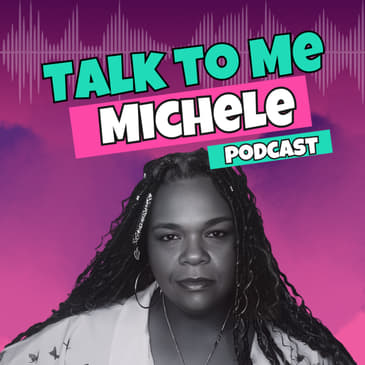

In this episode of Talk to Me Michele, we examine the changing nature of being a woman with best-selling author Avery Washington. The author of "Letters to My Daughters" and "The oversexualization of Black Women", Avery has a profound understanding of women's issues not only as a father raising daughters but as a man willing to engage with the experiences of women including formerly being a victim of gender-based violence. He shared his observations about the changing ideas around womanhood, his insights, and why it is important to hear a man's perspective on these important topics and issues. Come along as we unpack some of Avery's observations, and insights and clarify why we might want to listen to men speak about such important issues.
[00:00:00] [SPEAKER_00]: Are you ready to dive into the golden era of music?
[00:00:03] [SPEAKER_00]: Subscribe now to When Radio Was King, the podcast that takes you behind the scenes of music's
[00:00:08] [SPEAKER_00]: greatest moments.
[00:00:10] [SPEAKER_00]: Hosted by legendary music exec T.C.
[00:00:13] [SPEAKER_00]: Tompkins, each episode reveals untold stories from icons like Michael Jackson and more.
[00:00:19] [SPEAKER_00]: Don't miss out!
[00:00:20] [SPEAKER_00]: Hit that subscribe button and stay tuned for your all-access pass to music history.
[00:00:49] [SPEAKER_04]: Welcome to the Talk To Me Michele podcast where we dive into meaningful conversations
[00:00:53] [SPEAKER_04]: and explore the topics that matter most.
[00:00:56] [SPEAKER_04]: I'm your host Michele, and today we're going to tap into the topic of womanhood.
[00:01:01] [SPEAKER_04]: As our society continues to evolve, so has the state of womanhood, and it's time we
[00:01:05] [SPEAKER_04]: have a real discussion about it.
[00:01:07] [SPEAKER_04]: Joining me is best-selling author Avery Washington, whose works include letters to my daughters,
[00:01:13] [SPEAKER_04]: and the over-sexualization of black women that has made a powerful impact.
[00:01:18] [SPEAKER_04]: You may be wondering why I chose a man for this conversation.
[00:01:21] [SPEAKER_04]: Well, I really have a major respect for Avery, and he's dedicated much of his writing
[00:01:26] [SPEAKER_04]: to women, and he's a devoted father raising beautiful daughters alongside his lovely
[00:01:31] [SPEAKER_04]: wife.
[00:01:32] [SPEAKER_04]: It's always valuable to hear a man's perspective on these issues, so sit back
[00:01:37] [SPEAKER_04]: and relax, and enjoy this enlightening conversation with Avery Washington.
[00:01:45] [SPEAKER_04]: Avery Washington, what's poppin', sir?
[00:01:47] [SPEAKER_03]: What's happening, Michele?
[00:01:48] [SPEAKER_03]: How you doing?
[00:01:49] [SPEAKER_03]: I appreciate you having me, all the love.
[00:01:51] [SPEAKER_04]: I always got love for you, brother.
[00:01:53] [SPEAKER_04]: You know, I like intellect because if I can't have a conversation with you over
[00:01:58] [SPEAKER_04]: three minutes and it's giving me a headache, we don't need to talk.
[00:02:02] [SPEAKER_03]: I understand it.
[00:02:04] [SPEAKER_03]: Men feel the same way when we're having conversations with women, so we like to be
[00:02:08] [SPEAKER_03]: stimulated intellectually also.
[00:02:11] [SPEAKER_04]: Yeah, I need to have a valid conversation.
[00:02:14] [SPEAKER_04]: I need to make sure we're on the same page, but you are the perfect person to have this
[00:02:19] [SPEAKER_04]: conversation with.
[00:02:20] [SPEAKER_04]: Like I said, all your books are geared toward women.
[00:02:23] [SPEAKER_04]: You also have a latest edition for the young queens that we're raising.
[00:02:27] [SPEAKER_04]: It is Kinsley's Dreamy Wonderland.
[00:02:31] [SPEAKER_04]: Yes, ma'am.
[00:02:32] [SPEAKER_04]: Tell me a little bit about that project because you know I haven't read the book, but I definitely
[00:02:35] [SPEAKER_04]: want to hear about it.
[00:02:36] [SPEAKER_03]: Okay, Kinsley's Dreamy Wonderland is a book that was based on my first granddaughter,
[00:02:44] [SPEAKER_03]: but we had a tragedy during the birth of my first granddaughter and we lost her.
[00:02:51] [SPEAKER_03]: So I spoke to my wife, and we spoke to our daughter, and our daughter wanted to
[00:02:59] [SPEAKER_03]: keep her name living.
[00:03:00] [SPEAKER_03]: She wanted to keep Kinsley's name living.
[00:03:02] [SPEAKER_03]: So what I did, I had already started writing the book, and this is the book right here
[00:03:07] [SPEAKER_03]: when she was pregnant with Kinsley.
[00:03:11] [SPEAKER_03]: So when I finished the book, I had to change the dedication page to memorialize her.
[00:03:18] [SPEAKER_03]: And basically, Kinsley's Dreamy Wonderland is about a little girl who falls asleep
[00:03:25] [SPEAKER_03]: and she dreams about different dream professions, like becoming a doctor, becoming a chemist,
[00:03:32] [SPEAKER_03]: becoming an astronaut.
[00:03:33] [SPEAKER_03]: So I wrote this book to inspire little girls to dream big and they could become whatever
[00:03:38] [SPEAKER_03]: they want to become.
[00:03:40] [SPEAKER_04]: Yeah, I saw the artwork.
[00:03:42] [SPEAKER_04]: Like I said, I haven't read it, but I know every book you put out there always got
[00:03:45] [SPEAKER_04]: that Avery touch.
[00:03:46] [SPEAKER_04]: It's like, you know, the Midas touch.
[00:03:48] [SPEAKER_04]: So I know when I saw this publication coming out and I was so happy to saw what you
[00:03:53] [SPEAKER_04]: wrote a children's book.
[00:03:54] [SPEAKER_04]: Unfortunately, I didn't know the circumstances, but it is a honor for your
[00:03:57] [SPEAKER_04]: grandbaby to have that book carrying on her legacy.
[00:04:01] [SPEAKER_03]: And you know the type of man I am.
[00:04:03] [SPEAKER_03]: You know, I have raised three daughters.
[00:04:05] [SPEAKER_03]: So you know all my books are empowering women because of my daughter.
[00:04:09] [SPEAKER_03]: So for anybody who's not familiar with me, the reason why I write the way
[00:04:13] [SPEAKER_03]: I write is because as a father, I want to empower my daughters to do great
[00:04:18] [SPEAKER_03]: things.
[00:04:19] [SPEAKER_03]: And I also want to teach them how to become respectful, respectful young
[00:04:23] [SPEAKER_03]: women in the world today.
[00:04:24] [SPEAKER_04]: Yeah.
[00:04:25] [SPEAKER_04]: And I know as a father, that's a very challenge.
[00:04:28] [SPEAKER_04]: It's a challenge for any parent to be a parent.
[00:04:30] [SPEAKER_04]: But in this particular time that we're in and the examples that we are
[00:04:34] [SPEAKER_04]: having, and it's not even have to be on a celebrity status.
[00:04:37] [SPEAKER_04]: It could just be a scroll on social media.
[00:04:40] [SPEAKER_04]: And you see image after image video at the video of a situation of a
[00:04:46] [SPEAKER_04]: woman being ratchet or being disrespected.
[00:04:50] [SPEAKER_04]: Yes.
[00:04:51] [SPEAKER_04]: Okay.
[00:04:52] [SPEAKER_04]: I think it's a lot on our young women and they anticipate popularity.
[00:04:57] [SPEAKER_04]: And sometimes that's a mixed message because popularity means, well, let
[00:05:00] [SPEAKER_04]: me gravitate to what everybody is looking at.
[00:05:03] [SPEAKER_04]: Correct.
[00:05:04] [SPEAKER_04]: Correct.
[00:05:05] [SPEAKER_04]: So I'm going to ask you as a father, and I know it's a little off
[00:05:08] [SPEAKER_04]: topic, but how do you keep that basically steering your
[00:05:12] [SPEAKER_04]: daughters away from that imagery?
[00:05:14] [SPEAKER_03]: Well, I tell them the truth about how most men think.
[00:05:18] [SPEAKER_03]: I tell them my experiences when I was in college.
[00:05:22] [SPEAKER_03]: I tell my daughter straight up, your daddy was a whole in
[00:05:26] [SPEAKER_03]: college.
[00:05:27] [SPEAKER_03]: You know, I'm going to be honest with you.
[00:05:29] [SPEAKER_03]: Most men are when they're in college.
[00:05:32] [SPEAKER_03]: So as a woman, to me, in my opinion from my experiences, a
[00:05:37] [SPEAKER_03]: woman is the person that can control how a man will
[00:05:41] [SPEAKER_03]: approach her and how a man would treat her.
[00:05:43] [SPEAKER_03]: Now, don't get me wrong.
[00:05:45] [SPEAKER_03]: You do have your disrespectful guys who would just be
[00:05:47] [SPEAKER_03]: disrespectful no matter how you carry yourself.
[00:05:50] [SPEAKER_03]: Yeah.
[00:05:50] [SPEAKER_03]: Nine times out of 10, if a woman carries herself with class and
[00:05:55] [SPEAKER_03]: she's lady like a man, even if he's not the most respectful
[00:05:59] [SPEAKER_03]: guy, he's going to step his game up in her pro-church in a
[00:06:03] [SPEAKER_03]: respectful manner because he knows that she's not going to
[00:06:06] [SPEAKER_03]: tolerate any disrespect.
[00:06:08] [SPEAKER_04]: Yeah.
[00:06:09] [SPEAKER_04]: And you know what?
[00:06:10] [SPEAKER_04]: And the thing about it is you said they were holes in
[00:06:12] [SPEAKER_04]: college, they holes now.
[00:06:14] [SPEAKER_04]: So, well, I didn't say the women's holes.
[00:06:18] [SPEAKER_04]: I was just talking about the men.
[00:06:20] [SPEAKER_04]: I'm talking about the men right now because you said, you
[00:06:23] [SPEAKER_04]: know, men have their whole stage.
[00:06:24] [SPEAKER_04]: And you know, I'm in my fifties and I'm like, dude, when
[00:06:28] [SPEAKER_04]: you try to socialize, have a conversation, even try to
[00:06:32] [SPEAKER_04]: connect, unfortunately, that still trickles into my age
[00:06:35] [SPEAKER_04]: bracket as well.
[00:06:36] [SPEAKER_04]: And I'm like, I could have sworn you had a moment where
[00:06:39] [SPEAKER_04]: you had a moment to get out your system.
[00:06:42] [SPEAKER_04]: But apparently, I guess because of all the availability and
[00:06:46] [SPEAKER_04]: the low expectations that we have nowadays, it's a
[00:06:49] [SPEAKER_04]: little bit harder to commit when there's so much.
[00:06:53] [SPEAKER_04]: You know what it is?
[00:06:55] [SPEAKER_03]: Men of substance are not ideal being holds at 50 in 45 or
[00:07:00] [SPEAKER_03]: whatever.
[00:07:01] [SPEAKER_03]: Men of substance have careers and things are more
[00:07:04] [SPEAKER_03]: important to them like family.
[00:07:06] [SPEAKER_03]: I've been married over 26 years.
[00:07:09] [SPEAKER_03]: So, you know, men of substance don't be out there
[00:07:11] [SPEAKER_03]: chasing women and doing all of that.
[00:07:13] [SPEAKER_03]: But I just brought my 17.
[00:07:15] [SPEAKER_03]: She just made 18.
[00:07:16] [SPEAKER_03]: I just brought her to Southern University in
[00:07:18] [SPEAKER_03]: Baton Rouge and she just started, you know, as a
[00:07:21] [SPEAKER_03]: freshman.
[00:07:22] [SPEAKER_03]: And, you know, I told her straight up that, you know,
[00:07:25] [SPEAKER_03]: you want to be a woman that guides respect and
[00:07:28] [SPEAKER_03]: protect the woman that guy spread rumors around
[00:07:32] [SPEAKER_03]: about, you know, her being, you know, sexual
[00:07:35] [SPEAKER_03]: with everybody on campus.
[00:07:38] [SPEAKER_03]: And I've been teaching them that since they were young
[00:07:40] [SPEAKER_03]: about respecting themselves and that, you know, respect
[00:07:43] [SPEAKER_03]: goes a long way because when I was in college, there
[00:07:46] [SPEAKER_03]: were women that guys spoke negative about that
[00:07:49] [SPEAKER_03]: were sleeping around with God.
[00:07:50] [SPEAKER_03]: But there were also women that guys will protect
[00:07:54] [SPEAKER_03]: from these guys that would try to sleep with
[00:07:57] [SPEAKER_03]: them because they respected those women and
[00:07:59] [SPEAKER_03]: they loved and cared about those women.
[00:08:01] [SPEAKER_03]: And you as a young lady want to be one of those
[00:08:04] [SPEAKER_03]: women that is respected and protected.
[00:08:08] [SPEAKER_04]: And I wish that I could clone you.
[00:08:10] [SPEAKER_04]: I promise you, I wish I could clone you brother and
[00:08:12] [SPEAKER_04]: just add some, you know, different features for
[00:08:15] [SPEAKER_04]: customization, but we're going to work through it.
[00:08:18] [SPEAKER_04]: That's what we're going to do.
[00:08:19] [SPEAKER_04]: We're going to work through it.
[00:08:20] [SPEAKER_04]: But historically, when I look back at womanhood
[00:08:25] [SPEAKER_04]: or at least the women in my family, there was a
[00:08:28] [SPEAKER_04]: sense of pride.
[00:08:30] [SPEAKER_04]: Now look, everybody got a touch of ratchet.
[00:08:31] [SPEAKER_04]: Let's not lie.
[00:08:32] [SPEAKER_03]: No, no, that's behind closed doors.
[00:08:34] [SPEAKER_03]: That's not in public.
[00:08:36] [SPEAKER_03]: And I don't mean I'm a man.
[00:08:37] [SPEAKER_03]: We sexual beings.
[00:08:39] [SPEAKER_03]: We supposed to be sexual, but we it's a time and
[00:08:42] [SPEAKER_03]: a place to be sexual because you can't get upset
[00:08:45] [SPEAKER_03]: if you're carrying yourself like sexy red and
[00:08:48] [SPEAKER_03]: people going to say we're judging.
[00:08:49] [SPEAKER_03]: I'm a father of daughters.
[00:08:51] [SPEAKER_03]: So, hey, have you say I'm judging?
[00:08:53] [SPEAKER_03]: I'm judging, but I don't want my daughters to
[00:08:56] [SPEAKER_03]: carry themselves like sexy red because they're
[00:08:59] [SPEAKER_03]: going to bring very negative attention to
[00:09:01] [SPEAKER_03]: them all the time.
[00:09:03] [SPEAKER_03]: Yes, I want them to carry themselves like Alicia
[00:09:07] [SPEAKER_03]: Keys or like their mother, basically, you know what
[00:09:09] [SPEAKER_03]: I'm saying? Someone who carries themselves with
[00:09:12] [SPEAKER_03]: respect.
[00:09:13] [SPEAKER_03]: And like you say, historically, you know, women
[00:09:15] [SPEAKER_03]: were caring.
[00:09:16] [SPEAKER_03]: They were nurturers.
[00:09:17] [SPEAKER_03]: They were teachers to the children at home.
[00:09:21] [SPEAKER_03]: You know, they made sure that the house was
[00:09:23] [SPEAKER_03]: in order, but they also supported their
[00:09:25] [SPEAKER_03]: man because a lot of the way women are
[00:09:29] [SPEAKER_03]: reacting and acting out now, I think has a lot
[00:09:33] [SPEAKER_03]: to do with the lack of a father being in a home
[00:09:36] [SPEAKER_03]: or a lack of a strong man being there because
[00:09:39] [SPEAKER_03]: historically men were outgoing, get it and
[00:09:42] [SPEAKER_03]: they're taking care of their families.
[00:09:44] [SPEAKER_03]: So when a woman sees a man leading and you
[00:09:48] [SPEAKER_03]: know, some men there, we can say, well, she
[00:09:50] [SPEAKER_03]: won't let me leave.
[00:09:51] [SPEAKER_03]: Let's not letting you lead.
[00:09:52] [SPEAKER_03]: You're supposed to lead if you lead your
[00:09:54] [SPEAKER_03]: household and your wife in a positive and
[00:09:57] [SPEAKER_03]: in strong way.
[00:09:58] [SPEAKER_03]: She's going to naturally follow.
[00:10:01] [SPEAKER_03]: She's going to naturally support you, you know,
[00:10:04] [SPEAKER_03]: and when I say submissive, it's not
[00:10:06] [SPEAKER_03]: submissive to where I'm bossing you around.
[00:10:09] [SPEAKER_03]: She trusts you.
[00:10:10] [SPEAKER_03]: She trusts your decisions because of the
[00:10:12] [SPEAKER_03]: history that you've had together.
[00:10:14] [SPEAKER_03]: She's watched you pull through the tough times.
[00:10:17] [SPEAKER_03]: I had a situation in my marriage where I
[00:10:21] [SPEAKER_03]: got laid off from a job and my wife, you
[00:10:23] [SPEAKER_03]: know, was like, hey, you know, don't
[00:10:24] [SPEAKER_03]: worry about it.
[00:10:25] [SPEAKER_03]: We just had a baby stay home and I'll
[00:10:27] [SPEAKER_03]: take care of everything.
[00:10:28] [SPEAKER_03]: So when I do, you know, seminars or whatever
[00:10:30] [SPEAKER_03]: and I speak to women, I ask them, I say, why
[00:10:33] [SPEAKER_03]: do you think my wife trusted me to tell
[00:10:35] [SPEAKER_03]: me, hey, you know, stay home.
[00:10:37] [SPEAKER_03]: I got this, you know, relax.
[00:10:39] [SPEAKER_03]: We just had a baby relax.
[00:10:40] [SPEAKER_03]: I got it.
[00:10:41] [SPEAKER_03]: And what they told me was she's watched
[00:10:43] [SPEAKER_03]: you over the years and she knows what
[00:10:46] [SPEAKER_03]: type of leader you are.
[00:10:48] [SPEAKER_03]: So she was comfortable in doing that because
[00:10:50] [SPEAKER_03]: she knows that you have proven yourself
[00:10:52] [SPEAKER_03]: to her.
[00:10:53] [SPEAKER_03]: So to me, a lot of men of today need to
[00:10:56] [SPEAKER_03]: prove themselves to the women that they're
[00:10:58] [SPEAKER_03]: involved with and then they won't have to
[00:11:00] [SPEAKER_03]: worry about their woman supporting them
[00:11:03] [SPEAKER_03]: because they are leading by exactly
[00:11:06] [SPEAKER_03]: by the way.
[00:11:07] [SPEAKER_04]: And that's such a good scenario because
[00:11:10] [SPEAKER_04]: the men don't understand that concept
[00:11:12] [SPEAKER_04]: about submission from women.
[00:11:13] [SPEAKER_04]: If I feel secure, I don't care if you
[00:11:17] [SPEAKER_04]: tell me we got to go down this dark
[00:11:18] [SPEAKER_04]: alley because you've already shown me
[00:11:19] [SPEAKER_04]: that you got it.
[00:11:21] [SPEAKER_04]: I don't have to worry about it.
[00:11:23] [SPEAKER_04]: But, you know, fantasy.
[00:11:26] [SPEAKER_04]: And let me get your insights from your
[00:11:29] [SPEAKER_04]: book, Letters to My Dogs on how you define
[00:11:32] [SPEAKER_04]: and nurture these qualities in your
[00:11:33] [SPEAKER_04]: dog, what you've already gone over.
[00:11:35] [SPEAKER_04]: But the reflection of the wisdom that
[00:11:38] [SPEAKER_04]: you pass.
[00:11:39] [SPEAKER_04]: We have this wisdom that's passed
[00:11:40] [SPEAKER_04]: through generations.
[00:11:42] [SPEAKER_04]: Do you think we're losing that,
[00:11:43] [SPEAKER_04]: especially when it comes to the
[00:11:44] [SPEAKER_04]: influence of womanhood from women
[00:11:47] [SPEAKER_04]: family members?
[00:11:49] [SPEAKER_03]: You asked me, make sure I understand
[00:11:51] [SPEAKER_03]: the question you're asking me.
[00:11:52] [SPEAKER_03]: Do I feel that women family members
[00:11:55] [SPEAKER_04]: missing the influence of our family
[00:11:58] [SPEAKER_04]: members?
[00:11:58] [SPEAKER_04]: You know, like I said, I reflected on
[00:12:00] [SPEAKER_04]: my aunts, my, you know, my cousins
[00:12:02] [SPEAKER_04]: that were older than me because they
[00:12:04] [SPEAKER_04]: set an example of womanhood.
[00:12:06] [SPEAKER_04]: But do you see that kind of example
[00:12:08] [SPEAKER_04]: diminishing in the black household
[00:12:10] [SPEAKER_04]: particularly with women?
[00:12:13] [SPEAKER_03]: I can't speak for the households,
[00:12:15] [SPEAKER_03]: but I can tell you from a career
[00:12:17] [SPEAKER_03]: standpoint, a lot of women are
[00:12:20] [SPEAKER_03]: working and they're working because
[00:12:23] [SPEAKER_03]: they have to support their children
[00:12:25] [SPEAKER_03]: because it's a lot of separate homes.
[00:12:27] [SPEAKER_03]: A lot of fathers are not in the home.
[00:12:29] [SPEAKER_03]: So I think a woman out working,
[00:12:31] [SPEAKER_03]: you know, 60 hours a week is
[00:12:34] [SPEAKER_03]: taken away from raising that daughter
[00:12:37] [SPEAKER_03]: and her seeing that that feminine
[00:12:39] [SPEAKER_03]: woman there and getting that feminine,
[00:12:42] [SPEAKER_03]: you know, touch from a woman for
[00:12:43] [SPEAKER_03]: the lessons that she needs to learn.
[00:12:45] [SPEAKER_03]: But also, like I said, it goes back
[00:12:48] [SPEAKER_03]: to the men again as men we're
[00:12:49] [SPEAKER_03]: supposed to lead.
[00:12:50] [SPEAKER_03]: We're supposed to make that household
[00:12:53] [SPEAKER_03]: comfortable for the wife to where she
[00:12:55] [SPEAKER_03]: can be there and nurture the children.
[00:12:59] [SPEAKER_03]: You know, if she's out,
[00:13:00] [SPEAKER_03]: she can't nurture the children.
[00:13:01] [SPEAKER_03]: So in that aspect for us,
[00:13:02] [SPEAKER_03]: the men not being in the home
[00:13:04] [SPEAKER_03]: and women having to go out and work,
[00:13:06] [SPEAKER_03]: I think that is damaging to the
[00:13:08] [SPEAKER_03]: upbringing of a lot of our children.
[00:13:11] [SPEAKER_04]: Yeah, it is that we have to have,
[00:13:13] [SPEAKER_04]: you know, both parents got to
[00:13:14] [SPEAKER_04]: have more than one job,
[00:13:16] [SPEAKER_04]: you know, or one one hustle.
[00:13:18] [SPEAKER_04]: But you absolutely right that now
[00:13:21] [SPEAKER_04]: we are a bigger part of the workforce.
[00:13:23] [SPEAKER_04]: It does kind of put an impact
[00:13:25] [SPEAKER_04]: that we didn't even realize
[00:13:27] [SPEAKER_04]: on our young ladies when it comes
[00:13:29] [SPEAKER_04]: to being influential women of family.
[00:13:31] [SPEAKER_03]: And that's one of the negative
[00:13:32] [SPEAKER_03]: media steps in and they try to,
[00:13:35] [SPEAKER_03]: you know, miseducate our children
[00:13:38] [SPEAKER_03]: and they end up being the sexy reds
[00:13:41] [SPEAKER_03]: and just off topic.
[00:13:45] [SPEAKER_04]: Where does that come from?
[00:13:48] [SPEAKER_03]: I'm going to be honest with you,
[00:13:49] [SPEAKER_03]: you know, like in my book,
[00:13:51] [SPEAKER_03]: Oversensualization of Black Women America,
[00:13:52] [SPEAKER_03]: I touch on all of that.
[00:13:54] [SPEAKER_04]: I guess you do.
[00:13:56] [SPEAKER_04]: Yeah. And you can mail her a copy.
[00:14:00] [SPEAKER_03]: But what it is, you know, to me,
[00:14:03] [SPEAKER_03]: I think us as Black men again,
[00:14:06] [SPEAKER_03]: and I'm I take ownership
[00:14:08] [SPEAKER_03]: in where we feel that as Black men.
[00:14:11] [SPEAKER_03]: And I think, you know,
[00:14:12] [SPEAKER_03]: we feel Black women because
[00:14:13] [SPEAKER_03]: remember, there was a time
[00:14:15] [SPEAKER_03]: where we had the positive music
[00:14:16] [SPEAKER_03]: where we were speaking about
[00:14:18] [SPEAKER_03]: how much we love and how much
[00:14:19] [SPEAKER_03]: we respected our women.
[00:14:21] [SPEAKER_03]: At some point, we let these
[00:14:23] [SPEAKER_03]: these white executives
[00:14:25] [SPEAKER_03]: take ownership of our culture
[00:14:28] [SPEAKER_03]: and our music.
[00:14:29] [SPEAKER_03]: And now they're purposely
[00:14:31] [SPEAKER_03]: putting out degrading music,
[00:14:33] [SPEAKER_03]: you know, to to over sexualize our women.
[00:14:36] [SPEAKER_03]: As Black men, we have to defend our women
[00:14:39] [SPEAKER_03]: and we have to continue to put out work
[00:14:41] [SPEAKER_03]: like I'm doing, putting out positive
[00:14:43] [SPEAKER_03]: work that's going to support and uplift our women.
[00:14:46] [SPEAKER_03]: As a Black man, I should not be creating content
[00:14:49] [SPEAKER_03]: that's going to be damaging to our young girls
[00:14:51] [SPEAKER_03]: or disrespecting our young girls
[00:14:53] [SPEAKER_03]: and disrespecting our women.
[00:14:55] [SPEAKER_03]: I owe it to our women
[00:14:56] [SPEAKER_03]: to put out positive content
[00:14:58] [SPEAKER_03]: that's going to uplift them
[00:15:00] [SPEAKER_03]: and, you know, raise them up
[00:15:02] [SPEAKER_03]: into what people respect them
[00:15:04] [SPEAKER_03]: and not degrade them.
[00:15:06] [SPEAKER_04]: And I'm glad that you are pushing that content.
[00:15:09] [SPEAKER_04]: Ever since I met you many, many moons ago
[00:15:11] [SPEAKER_04]: that you've always been a positive role model
[00:15:15] [SPEAKER_04]: in that aspect.
[00:15:16] [SPEAKER_04]: So I do applaud and appreciate
[00:15:18] [SPEAKER_04]: that you do bring positive content
[00:15:20] [SPEAKER_04]: for young women as well as grown women
[00:15:22] [SPEAKER_04]: to look at an example.
[00:15:24] [SPEAKER_04]: But let's take an exploration
[00:15:25] [SPEAKER_04]: of the social pressures
[00:15:27] [SPEAKER_04]: and how they reshape the perception
[00:15:30] [SPEAKER_04]: of a woman's work.
[00:15:32] [SPEAKER_04]: How much do you think that's changed?
[00:15:35] [SPEAKER_03]: It's changed tremendously through social media,
[00:15:38] [SPEAKER_03]: through social media,
[00:15:40] [SPEAKER_03]: because a lot of these children today,
[00:15:42] [SPEAKER_03]: they don't go outside and play like we did.
[00:15:45] [SPEAKER_03]: You know, they're in their rooms.
[00:15:47] [SPEAKER_03]: The parents don't know what they're looking at.
[00:15:50] [SPEAKER_03]: And social media has been used
[00:15:52] [SPEAKER_03]: to demonize our women,
[00:15:54] [SPEAKER_03]: to demonize our culture,
[00:15:56] [SPEAKER_03]: you have to create low value human beings,
[00:16:00] [SPEAKER_03]: you know, through social media.
[00:16:03] [SPEAKER_03]: And that's what's happening.
[00:16:05] [SPEAKER_03]: And social media can be a powerful tool
[00:16:07] [SPEAKER_03]: if we just come together as a people
[00:16:10] [SPEAKER_03]: and we could put out a lot of positive affirmations
[00:16:13] [SPEAKER_03]: to each other, you know,
[00:16:14] [SPEAKER_03]: what if someone opens social media today
[00:16:16] [SPEAKER_03]: and a black woman saw a black man
[00:16:18] [SPEAKER_03]: talking about how much he loves
[00:16:19] [SPEAKER_03]: and how much he respects her?
[00:16:21] [SPEAKER_03]: You know, that would change the mindset
[00:16:23] [SPEAKER_03]: of how young women feel about black men.
[00:16:26] [SPEAKER_03]: You know, now you hear black men
[00:16:29] [SPEAKER_03]: degrading black women continuously.
[00:16:31] [SPEAKER_03]: You know, if I'm a young black girl
[00:16:33] [SPEAKER_03]: and I'm being degraded all the time,
[00:16:35] [SPEAKER_03]: why would I love and support you?
[00:16:38] [SPEAKER_03]: Exactly. Yeah.
[00:16:40] [SPEAKER_03]: And that's what's happening today.
[00:16:42] [SPEAKER_03]: So now you got black men arguing with black women.
[00:16:46] [SPEAKER_03]: And, you know, it's just it doesn't make sense.
[00:16:49] [SPEAKER_04]: Now, it doesn't make sense.
[00:16:50] [SPEAKER_04]: But you know what?
[00:16:51] [SPEAKER_04]: I'm glad that you said that because there is a lady
[00:16:53] [SPEAKER_04]: that I hate that I don't have a name in hand,
[00:16:55] [SPEAKER_04]: but she's a comedian and I follow her on TikTok.
[00:16:58] [SPEAKER_04]: And she does a series
[00:16:59] [SPEAKER_04]: where she randomly walks up to black men
[00:17:03] [SPEAKER_04]: and says, Hello, King, you were two hands
[00:17:05] [SPEAKER_04]: of not to be smiling.
[00:17:06] [SPEAKER_04]: I saw that. Yeah.
[00:17:08] [SPEAKER_04]: And she does a series of these videos.
[00:17:10] [SPEAKER_04]: And I thought that is so dope
[00:17:12] [SPEAKER_04]: because how often, especially our black men,
[00:17:15] [SPEAKER_04]: get appreciated and approached that way like, brother,
[00:17:18] [SPEAKER_04]: you know, come on, smile, you got it going on.
[00:17:21] [SPEAKER_04]: And it just gives them that spark of the day.
[00:17:23] [SPEAKER_04]: So I did.
[00:17:24] [SPEAKER_04]: I might have to look her up
[00:17:25] [SPEAKER_04]: so I can make sure everybody's aware of her.
[00:17:27] [SPEAKER_04]: But from the insights of your over sexualization
[00:17:30] [SPEAKER_04]: of black women in America and how media
[00:17:33] [SPEAKER_04]: has had these narratives that have contributed to these views.
[00:17:38] [SPEAKER_04]: You spoke on that a moment ago,
[00:17:39] [SPEAKER_04]: so I'm going to go and get to the next one
[00:17:41] [SPEAKER_04]: with the role of social media, entertainment, beauty industry.
[00:17:45] [SPEAKER_04]: I definitely want to get to the beauty industry.
[00:17:47] [SPEAKER_04]: And I'm going to give you a prime example.
[00:17:48] [SPEAKER_04]: You know, my side hustle is Uber
[00:17:50] [SPEAKER_04]: and I picked up a young lady from an apartment complex.
[00:17:54] [SPEAKER_04]: I mean, this was like Candy Man, Cabrini Green looking shit.
[00:17:58] [SPEAKER_04]: OK, so.
[00:17:59] [SPEAKER_04]: I'm like, OK, let me get her in here.
[00:18:01] [SPEAKER_04]: She got in the car and she had to sit in the back seat on her knees.
[00:18:06] [SPEAKER_04]: Because she just had that procedure done.
[00:18:10] [SPEAKER_04]: So.
[00:18:12] [SPEAKER_04]: I had a aha moment before I drove up.
[00:18:16] [SPEAKER_04]: I said, I'm looking at your surroundings
[00:18:18] [SPEAKER_04]: and I'm not sure if you visited somebody.
[00:18:21] [SPEAKER_04]: But if this is your residency
[00:18:23] [SPEAKER_04]: and you decide to get surgery on your behind.
[00:18:27] [SPEAKER_04]: We got some mixed up priorities and it was just that example.
[00:18:32] [SPEAKER_04]: And I had to really think about it.
[00:18:33] [SPEAKER_04]: I said, so you know, some of these people or women
[00:18:36] [SPEAKER_04]: are so pressured to look a certain way
[00:18:38] [SPEAKER_04]: that they feel that they have to make, you know,
[00:18:41] [SPEAKER_04]: priority sacrifices over superficial ones.
[00:18:45] [SPEAKER_04]: So I think they kind of also influences our young women.
[00:18:49] [SPEAKER_04]: I mean, what's your take on the BBLs,
[00:18:52] [SPEAKER_04]: the eyelashes and the overdoing it?
[00:18:56] [SPEAKER_03]: What you just described, you know what I do with those images?
[00:18:59] [SPEAKER_03]: I sent them to all of my daughters in the group chat.
[00:19:03] [SPEAKER_03]: And I'm going to be honest with you, this is how apparent.
[00:19:06] [SPEAKER_03]: And I tell them, don't you ever in your life
[00:19:09] [SPEAKER_03]: feel that insecure to where you change
[00:19:12] [SPEAKER_03]: your body the way you look? I'm serious.
[00:19:15] [SPEAKER_03]: No, I know you are.
[00:19:16] [SPEAKER_03]: And well, the parents, we have to go back to the home.
[00:19:20] [SPEAKER_03]: Yeah, I tell my daughters every day,
[00:19:23] [SPEAKER_03]: I love you, you're beautiful.
[00:19:26] [SPEAKER_03]: I give my daughter her freedom at Southern,
[00:19:29] [SPEAKER_03]: but don't get me wrong, I'm texting them saying,
[00:19:31] [SPEAKER_03]: how was your day? Yeah, I love you.
[00:19:35] [SPEAKER_03]: We have to continue to give those children love affirmations.
[00:19:40] [SPEAKER_03]: Yeah, adult women, you know, I have a 28 year old as Mary.
[00:19:44] [SPEAKER_03]: I still tell her I love her today.
[00:19:47] [SPEAKER_03]: You know, I had a conversation with her today.
[00:19:49] [SPEAKER_03]: She called me whenever she, you know,
[00:19:50] [SPEAKER_03]: needs some help going through something or whatever.
[00:19:52] [SPEAKER_03]: Right. You know, I be there for her.
[00:19:55] [SPEAKER_03]: And we got to be there for our daughters.
[00:19:57] [SPEAKER_03]: It's so important for a man to give love affirmation
[00:20:01] [SPEAKER_03]: to his daughter from the day she is born
[00:20:04] [SPEAKER_03]: because you're going to have so many weak men
[00:20:06] [SPEAKER_03]: that are predators that are going to notice
[00:20:09] [SPEAKER_03]: that she didn't receive those affirmations.
[00:20:11] [SPEAKER_03]: And they're going to tell her everything
[00:20:13] [SPEAKER_03]: that she wants to hear and they're going to take advantage of her.
[00:20:16] [SPEAKER_03]: And now she's going through a whole
[00:20:18] [SPEAKER_03]: another circle of trauma. Oh, yeah, my life
[00:20:20] [SPEAKER_03]: because she's going to continue to go through trauma.
[00:20:23] [SPEAKER_03]: And that's when she's going to have multiple date, date,
[00:20:26] [SPEAKER_03]: multiple guys, you know, multiple relationships.
[00:20:29] [SPEAKER_03]: It's just it's a crazy spin.
[00:20:30] [SPEAKER_04]: And it is because it sticks.
[00:20:33] [SPEAKER_04]: I don't mean to interrupt, but it sticks with you
[00:20:35] [SPEAKER_04]: because I know grown women that do suffer from that.
[00:20:39] [SPEAKER_04]: They did not have those positive male affirmations
[00:20:42] [SPEAKER_04]: from a person, the family, father, uncle, brother.
[00:20:46] [SPEAKER_04]: And when they become adults,
[00:20:48] [SPEAKER_04]: unfortunately, any little flirtation is like the key.
[00:20:52] [SPEAKER_04]: Oh, somebody's showing me positive attention
[00:20:54] [SPEAKER_04]: and they could be the biggest snake in the bundle.
[00:20:56] [SPEAKER_03]: A lot of them think sexist positive attention.
[00:20:59] [SPEAKER_03]: Yeah. So that's where you get a lot of them being promiscuous.
[00:21:04] [SPEAKER_04]: And that is something I also think that
[00:21:08] [SPEAKER_04]: I'm at I'm stunted, I'll say, when I look on social media
[00:21:12] [SPEAKER_04]: and I go to a live and there's someone
[00:21:15] [SPEAKER_04]: professing their sexual acts without no shame.
[00:21:19] [SPEAKER_04]: And usually I would anticipate that from men,
[00:21:22] [SPEAKER_04]: but I'm seeing more women do it.
[00:21:24] [SPEAKER_03]: And I'm going to be honest with you and I'm going to be raw
[00:21:28] [SPEAKER_03]: and uncut because you want your man's point of view.
[00:21:31] [SPEAKER_03]: Go you were talking about these BBLs and all of that stuff.
[00:21:35] [SPEAKER_03]: We as men have conversations about this stuff
[00:21:37] [SPEAKER_03]: when we had cigar bars and stuff like that.
[00:21:39] [SPEAKER_03]: We do not like none of that stuff.
[00:21:42] [SPEAKER_03]: We don't understand why they are doing it.
[00:21:45] [SPEAKER_03]: Men like natural women.
[00:21:47] [SPEAKER_03]: Yes, we talk about this all the time.
[00:21:49] [SPEAKER_03]: You spoke about eyelashes and stuff like that, too.
[00:21:52] [SPEAKER_03]: I mean, to each his own, but we as men, we be like, you know,
[00:21:56] [SPEAKER_03]: why do they do that?
[00:21:58] [SPEAKER_03]: We don't understand it.
[00:22:00] [SPEAKER_03]: And when you and I having this conversation,
[00:22:02] [SPEAKER_03]: but if we were having this conversation
[00:22:04] [SPEAKER_03]: with some women right now as a man being honest,
[00:22:07] [SPEAKER_03]: you know what they would say?
[00:22:08] [SPEAKER_03]: Oh, you hate women or you dislike women.
[00:22:11] [SPEAKER_03]: No, I'm just being honest with the honest conversations
[00:22:14] [SPEAKER_03]: that men have, you know?
[00:22:17] [SPEAKER_03]: So we really don't understand it.
[00:22:20] [SPEAKER_04]: And that's why I because, you know, me as a woman, I look at it.
[00:22:23] [SPEAKER_04]: I'm like, I understand you want to enhance your look.
[00:22:25] [SPEAKER_04]: Like, I mean, I got this in my head.
[00:22:27] [SPEAKER_04]: There's no of course it's not my hair,
[00:22:28] [SPEAKER_04]: but I'm not going to go overboard with the implants,
[00:22:32] [SPEAKER_04]: the lashes and then I got to get my butt in
[00:22:35] [SPEAKER_04]: and my gut tucked and all that.
[00:22:36] [SPEAKER_04]: You know what it is what it is like to leave it.
[00:22:40] [SPEAKER_04]: So I think that some women feel pressured
[00:22:44] [SPEAKER_04]: that if they don't look a certain way,
[00:22:46] [SPEAKER_04]: because that's what we see in mass media.
[00:22:48] [SPEAKER_04]: That's what we see in social media.
[00:22:50] [SPEAKER_04]: These women that are built a particular way,
[00:22:52] [SPEAKER_04]: they have certain features that men are attracted to.
[00:22:55] [SPEAKER_04]: And if I don't have it, then to get that kind of attention,
[00:22:58] [SPEAKER_04]: I need to go out and get that done.
[00:23:01] [SPEAKER_03]: But I still don't understand
[00:23:03] [SPEAKER_03]: where do they think men are attracted to that from?
[00:23:06] [SPEAKER_03]: Yeah, let's put out there on social media,
[00:23:08] [SPEAKER_03]: but we are not attracted to these fake bodies.
[00:23:13] [SPEAKER_03]: I mean, I just don't understand.
[00:23:15] [SPEAKER_03]: And you know what it is though?
[00:23:16] [SPEAKER_03]: Who's giving them positive affirmations?
[00:23:19] [SPEAKER_03]: Yeah.
[00:23:20] [SPEAKER_03]: The internet, they're not receiving it from home
[00:23:24] [SPEAKER_03]: because if they were receiving it from home,
[00:23:25] [SPEAKER_03]: they wouldn't change their natural selves
[00:23:28] [SPEAKER_03]: to become someone they're not.
[00:23:31] [SPEAKER_04]: Exactly, exactly.
[00:23:33] [SPEAKER_04]: But you know, we're just necessarily
[00:23:35] [SPEAKER_04]: where I think women feel that they need certain features
[00:23:39] [SPEAKER_04]: or looks or whatever the case may be
[00:23:41] [SPEAKER_04]: to get the attention from men.
[00:23:45] [SPEAKER_04]: Unfortunately, it's not going to happen.
[00:23:47] [SPEAKER_03]: When it looks go away, what's going to happen?
[00:23:49] [SPEAKER_03]: Yeah.
[00:23:50] [SPEAKER_03]: Also, what type of man are you trying
[00:23:52] [SPEAKER_03]: to get attention from?
[00:23:54] [SPEAKER_03]: Ooh, say this out.
[00:23:56] [SPEAKER_03]: As men, when we speak, if you are attracted to that,
[00:24:00] [SPEAKER_03]: even if you're not attracted to it,
[00:24:01] [SPEAKER_03]: you know what type of attention she's trying to get.
[00:24:03] [SPEAKER_03]: So you want to give her that kind of attention
[00:24:05] [SPEAKER_03]: so you can have sex with her if that's what you want.
[00:24:10] [SPEAKER_03]: So you using your body to get a man
[00:24:13] [SPEAKER_03]: is not giving you a man of substance.
[00:24:16] [SPEAKER_03]: That's giving you some temporary attention.
[00:24:19] [SPEAKER_03]: And in me as a man myself,
[00:24:22] [SPEAKER_03]: I like being stimulated intellectually
[00:24:24] [SPEAKER_03]: like we touched on earlier.
[00:24:26] [SPEAKER_03]: A woman could physically not be attend
[00:24:31] [SPEAKER_03]: to the so-called standards out here in the world today.
[00:24:36] [SPEAKER_03]: And if her conversation stimulates my mind intellectually,
[00:24:40] [SPEAKER_03]: he will physically become attracted for me.
[00:24:44] [SPEAKER_04]: That's the same effect on me.
[00:24:46] [SPEAKER_04]: I promise you, I'll be talking to a decent looking brother
[00:24:50] [SPEAKER_04]: and if his conversation is on point,
[00:24:52] [SPEAKER_04]: my toes are curling in my sandals.
[00:24:54] [SPEAKER_04]: So I'm good on that.
[00:24:55] [SPEAKER_04]: I mean, I appreciate a good conversation
[00:24:57] [SPEAKER_04]: because you cannot have sex all day.
[00:25:01] [SPEAKER_04]: That cannot be the foundation of the relationship.
[00:25:04] [SPEAKER_04]: Yeah, it's in there, but that's not the foundation of it.
[00:25:08] [SPEAKER_04]: Oh, hey, Mercy, what are we gonna do?
[00:25:11] [SPEAKER_04]: What are we gonna do?
[00:25:12] [SPEAKER_04]: So now we're gonna get to the challenges
[00:25:14] [SPEAKER_04]: that women face today
[00:25:15] [SPEAKER_04]: and maintaining their self-worth
[00:25:18] [SPEAKER_04]: amidst these social pressures.
[00:25:19] [SPEAKER_04]: Now I can only speak from a woman's perspective
[00:25:22] [SPEAKER_04]: that I always keep it 100 with myself
[00:25:24] [SPEAKER_04]: and anybody who deals with me.
[00:25:26] [SPEAKER_04]: I'm not gonna be walking on eggshells for anybody,
[00:25:30] [SPEAKER_04]: but I do have boundaries and I do have a checklist
[00:25:34] [SPEAKER_04]: if I'm gonna be affiliated with you.
[00:25:36] [SPEAKER_04]: And now some people may take that as
[00:25:37] [SPEAKER_04]: you being uppity or snobbish.
[00:25:40] [SPEAKER_04]: No, it's called standards.
[00:25:42] [SPEAKER_04]: What's your checklist?
[00:25:44] [SPEAKER_04]: Oh, my checklist, first of all, a decent conversation.
[00:25:47] [SPEAKER_04]: You gotta have a decent conversation.
[00:25:49] [SPEAKER_04]: You have to have empathy.
[00:25:52] [SPEAKER_04]: You can't be out here being spiteful
[00:25:54] [SPEAKER_04]: just to be spiteful.
[00:25:55] [SPEAKER_04]: And you need to be authentic.
[00:25:57] [SPEAKER_04]: Do not put on one mask for me
[00:25:59] [SPEAKER_04]: and then when you leave the room,
[00:26:01] [SPEAKER_04]: the mask fall off or you a whole different other person.
[00:26:04] [SPEAKER_04]: This is just basic stuff.
[00:26:05] [SPEAKER_04]: I don't wanna deal with a failed attraction situation
[00:26:08] [SPEAKER_04]: where I'm coming home to a boiling rabbit on my stove.
[00:26:11] [SPEAKER_04]: I don't need that.
[00:26:12] [SPEAKER_03]: Yeah, you're speaking to some good intrinsic qualities.
[00:26:15] [SPEAKER_03]: And as a man, we feel the same way.
[00:26:18] [SPEAKER_03]: We want those qualities.
[00:26:20] [SPEAKER_03]: Yeah.
[00:26:21] [SPEAKER_03]: And we want somebody that's also gonna
[00:26:23] [SPEAKER_03]: support our dreams, somebody that's positive,
[00:26:26] [SPEAKER_03]: somebody that's uplifting,
[00:26:29] [SPEAKER_03]: somebody that's a go-getter also.
[00:26:34] [SPEAKER_03]: My wife, she supported my dreams and I support hers
[00:26:37] [SPEAKER_03]: and we continue to do that 26 years later.
[00:26:41] [SPEAKER_03]: So, I mean, we need that.
[00:26:43] [SPEAKER_03]: But we also want a mate that's attractive also
[00:26:46] [SPEAKER_03]: and that continues to work on staying attractive.
[00:26:50] [SPEAKER_03]: Another thing that happens is that
[00:26:51] [SPEAKER_03]: people get comfortable in relationships
[00:26:54] [SPEAKER_03]: and they stop taking care of themselves.
[00:26:57] [SPEAKER_04]: That it can be a comfort level,
[00:26:59] [SPEAKER_04]: but it also could be the lack of whatever passion,
[00:27:03] [SPEAKER_04]: because I know that there are some women
[00:27:05] [SPEAKER_04]: that will get in relationships to get married
[00:27:07] [SPEAKER_04]: and all of a sudden she didn't flipped up overnight
[00:27:10] [SPEAKER_04]: and it's not that she's gotten too comfortable.
[00:27:11] [SPEAKER_04]: I think from what was previously discussed
[00:27:14] [SPEAKER_04]: that sometimes the effort on their partner's behalf
[00:27:18] [SPEAKER_04]: makes them feel like,
[00:27:19] [SPEAKER_04]: well, even if I climb this mountain
[00:27:21] [SPEAKER_04]: and I lose 50 pounds by tomorrow,
[00:27:24] [SPEAKER_04]: you know, it's still not good enough for you.
[00:27:28] [SPEAKER_04]: So, I always advise women if you're gonna do that,
[00:27:30] [SPEAKER_04]: mainly do it for yourself.
[00:27:32] [SPEAKER_04]: Number one, because that way you keep it up
[00:27:34] [SPEAKER_04]: on a more consistent level,
[00:27:36] [SPEAKER_04]: it's showing yourself love.
[00:27:39] [SPEAKER_04]: And we all get to those points
[00:27:41] [SPEAKER_04]: when we don't wanna be bothered with going to the gym,
[00:27:44] [SPEAKER_04]: eating right and all that other stuff.
[00:27:46] [SPEAKER_04]: But at the same time, it is a form of self love.
[00:27:49] [SPEAKER_03]: Yes, and self love, since you're speaking to that,
[00:27:52] [SPEAKER_03]: that's what I write about in letters to my daughters also.
[00:27:55] [SPEAKER_03]: You know, I teach them about self love and also faith.
[00:27:58] [SPEAKER_03]: You know, I teach them to embrace the love of God
[00:27:59] [SPEAKER_03]: and self so they wouldn't desperately seek love
[00:28:02] [SPEAKER_03]: from man or anyone else, you know?
[00:28:04] [SPEAKER_03]: Yeah. Stuff like that.
[00:28:05] [SPEAKER_03]: And never sacrifice in their love.
[00:28:09] [SPEAKER_03]: You know, never live your life
[00:28:11] [SPEAKER_03]: according to man's expectations
[00:28:12] [SPEAKER_03]: because they're above the expectations of man,
[00:28:15] [SPEAKER_03]: they're God's creation, just keeping them faith-based
[00:28:19] [SPEAKER_03]: and also keeping them in love with themselves.
[00:28:23] [SPEAKER_04]: Yeah, and I think that's a big problem.
[00:28:25] [SPEAKER_04]: A lot of women, even adult women have nowadays
[00:28:27] [SPEAKER_04]: because even if they didn't have the influence of the love,
[00:28:30] [SPEAKER_04]: you know, when they were younger,
[00:28:32] [SPEAKER_04]: we find it difficult to get out of the rut
[00:28:35] [SPEAKER_04]: and actually start to, you know,
[00:28:37] [SPEAKER_04]: it's okay to be a little selfish.
[00:28:39] [SPEAKER_04]: It's okay to love yourself.
[00:28:40] [SPEAKER_04]: It's okay to go get your facial,
[00:28:42] [SPEAKER_04]: your nails done, all that other good stuff.
[00:28:43] [SPEAKER_04]: There's no crime.
[00:28:45] [SPEAKER_04]: But I think with most of us also being mothers
[00:28:47] [SPEAKER_04]: and having so many more responsibilities,
[00:28:48] [SPEAKER_04]: that we feel guilty at times when we do that.
[00:28:52] [SPEAKER_04]: But I know I don't.
[00:28:54] [SPEAKER_03]: And what about having a relationship with yourself too?
[00:28:57] [SPEAKER_03]: That's something that I really,
[00:28:58] [SPEAKER_03]: I'm really strong with them.
[00:29:00] [SPEAKER_03]: Even my daughter that's married,
[00:29:02] [SPEAKER_03]: I told her, I said, you weren't an individual
[00:29:05] [SPEAKER_03]: before you got married.
[00:29:08] [SPEAKER_03]: Yeah. Make sure you don't lose who you are.
[00:29:10] [SPEAKER_03]: I said, make sure you have a relationship
[00:29:11] [SPEAKER_03]: with yourself because so many people
[00:29:14] [SPEAKER_03]: lose themselves in relationships
[00:29:16] [SPEAKER_03]: because they don't have relationship with themselves.
[00:29:18] [SPEAKER_03]: So when that relationship ends with the other person,
[00:29:22] [SPEAKER_03]: now they're distraught and they don't know what to do.
[00:29:25] [SPEAKER_03]: Exactly.
[00:29:26] [SPEAKER_03]: I think that's very important
[00:29:27] [SPEAKER_03]: to make sure you have a secure relationship with you.
[00:29:32] [SPEAKER_04]: No, it needs to be that security in there.
[00:29:34] [SPEAKER_04]: But like I said, it's about everybody's efforts.
[00:29:37] [SPEAKER_04]: Now, could you tell me your thoughts
[00:29:39] [SPEAKER_04]: on how women can reclaim their identity
[00:29:41] [SPEAKER_04]: and focus on their inequalities
[00:29:43] [SPEAKER_04]: rather than their social expectations?
[00:29:48] [SPEAKER_03]: You know, that's hard for a lot of people to do
[00:29:52] [SPEAKER_03]: because of how fast paced this world is.
[00:29:55] [SPEAKER_03]: But I think young women of today
[00:29:58] [SPEAKER_03]: need to take time for themselves,
[00:30:01] [SPEAKER_03]: meditate, pray, ask God for guidance
[00:30:06] [SPEAKER_03]: and look for mentorship.
[00:30:09] [SPEAKER_03]: Just like you were speaking of earlier about,
[00:30:12] [SPEAKER_03]: you used to get lessons from aunts
[00:30:16] [SPEAKER_03]: and other females in the family.
[00:30:19] [SPEAKER_03]: I think since the world is so busy,
[00:30:22] [SPEAKER_03]: a lot of people are not receiving that.
[00:30:25] [SPEAKER_03]: So you have to take time and just meditate
[00:30:27] [SPEAKER_03]: and ask God for guidance and get a mentor
[00:30:30] [SPEAKER_03]: and just read some positive books
[00:30:32] [SPEAKER_03]: with some positive affirmations in it
[00:30:35] [SPEAKER_03]: and take time to learn about yourself.
[00:30:38] [SPEAKER_03]: Learn what you like, learn what you're passionate about.
[00:30:41] [SPEAKER_03]: A lot of fathers are not in the home like I was saying.
[00:30:45] [SPEAKER_03]: And, you know, that's so important, very important.
[00:30:49] [SPEAKER_03]: I just watched a Netflix special with,
[00:30:54] [SPEAKER_03]: it's called Daughters.
[00:30:55] [SPEAKER_03]: And I want you to watch it, it's very powerful.
[00:30:58] [SPEAKER_03]: When I first wrote Letters to My Daughters,
[00:31:01] [SPEAKER_03]: it's a lady named Angela Patton in Virginia
[00:31:04] [SPEAKER_03]: that has a facility where she takes care of girls
[00:31:08] [SPEAKER_03]: and facilitates their relationships
[00:31:11] [SPEAKER_03]: with their fathers and everything.
[00:31:13] [SPEAKER_03]: So...
[00:31:13] [SPEAKER_04]: I'm gonna check that out.
[00:31:15] [SPEAKER_04]: Yeah, I'm glad that we have some films
[00:31:18] [SPEAKER_04]: like that kind of given examples
[00:31:19] [SPEAKER_04]: because even as young ladies and grown women,
[00:31:23] [SPEAKER_04]: sometimes did not have that example of the relationship.
[00:31:25] [SPEAKER_04]: So even if you get to see some cinema
[00:31:28] [SPEAKER_04]: that gives you a little peek of it,
[00:31:30] [SPEAKER_04]: I think that's a positive type of way of moving forward
[00:31:34] [SPEAKER_04]: and getting yourself love on.
[00:31:36] [SPEAKER_04]: But when it comes to this book,
[00:31:38] [SPEAKER_04]: I wanna get back to you with your grandbaby.
[00:31:42] [SPEAKER_04]: We are, it's so important,
[00:31:44] [SPEAKER_04]: I know when my son was younger,
[00:31:46] [SPEAKER_04]: it was important for me to make sure
[00:31:48] [SPEAKER_04]: he saw himself in story books.
[00:31:51] [SPEAKER_04]: I mean, we had traditional story books,
[00:31:53] [SPEAKER_04]: but I want to make sure he saw himself.
[00:31:56] [SPEAKER_04]: And I will never forget one of his favorite books
[00:31:59] [SPEAKER_04]: was the Spike Lee Please Puppy Please book.
[00:32:03] [SPEAKER_04]: I used to read that to him repeatedly.
[00:32:06] [SPEAKER_04]: And I love that you have the same type of concept
[00:32:09] [SPEAKER_04]: with your book, the Wunderland,
[00:32:12] [SPEAKER_04]: Kenzie's Dreamy Wonderland.
[00:32:14] [SPEAKER_03]: Yeah, this is a page from it here
[00:32:16] [SPEAKER_03]: where she's a chemist, different careers like that.
[00:32:21] [SPEAKER_03]: This is another page where she's a doctor
[00:32:26] [SPEAKER_03]: and she's caring for a patient.
[00:32:30] [SPEAKER_04]: Yeah, we need that.
[00:32:32] [SPEAKER_03]: Yeah, we really do.
[00:32:34] [SPEAKER_04]: No, we really need that.
[00:32:35] [SPEAKER_04]: But I think with books like, you know,
[00:32:37] [SPEAKER_04]: the one that you've just recently released
[00:32:39] [SPEAKER_04]: as well as other great black children books.
[00:32:42] [SPEAKER_04]: And it's very important
[00:32:44] [SPEAKER_04]: that they need to see positive images.
[00:32:46] [SPEAKER_04]: From the time they get here to the time
[00:32:48] [SPEAKER_04]: they get to be an adult.
[00:32:51] [SPEAKER_04]: So I think that's also a situation
[00:32:53] [SPEAKER_04]: we had with some of our women.
[00:32:55] [SPEAKER_04]: But even though I'm going from your child's book
[00:32:58] [SPEAKER_04]: to a womanhood,
[00:33:01] [SPEAKER_04]: do you feel that men are somewhat responsible
[00:33:06] [SPEAKER_04]: on how women are either behaving
[00:33:08] [SPEAKER_04]: or going for social acceptance?
[00:33:11] [SPEAKER_04]: 100%.
[00:33:13] [SPEAKER_04]: Why do you feel that way?
[00:33:15] [SPEAKER_03]: Like I was saying earlier,
[00:33:16] [SPEAKER_03]: an over-sexualization of black women in America,
[00:33:18] [SPEAKER_03]: we can go all the way back to slavery
[00:33:21] [SPEAKER_03]: when the black men were getting raped
[00:33:23] [SPEAKER_03]: in front of their wives and children
[00:33:27] [SPEAKER_03]: and hung and separated from their wives and children.
[00:33:32] [SPEAKER_03]: So now the black woman is feeling unprotected.
[00:33:36] [SPEAKER_03]: You know, we have that quote saying
[00:33:37] [SPEAKER_03]: the black woman is the most unprotected.
[00:33:40] [SPEAKER_04]: Yeah.
[00:33:40] [SPEAKER_03]: So basically you go through from that
[00:33:44] [SPEAKER_03]: till you go through the pimp movement.
[00:33:46] [SPEAKER_03]: Remember when pimps were talking
[00:33:48] [SPEAKER_03]: about how they would break a woman with them?
[00:33:51] [SPEAKER_03]: Okay, the slave masses broke you
[00:33:53] [SPEAKER_03]: and they broke your women.
[00:33:55] [SPEAKER_03]: So why as a black man would you brag
[00:33:58] [SPEAKER_03]: about breaking a woman down, tearing herself esteemed down?
[00:34:03] [SPEAKER_03]: This was one of the first points
[00:34:05] [SPEAKER_03]: where black women started being degraded by their own men.
[00:34:09] [SPEAKER_03]: So you broke your woman down,
[00:34:12] [SPEAKER_03]: you're selling on the street,
[00:34:14] [SPEAKER_03]: you're beating up,
[00:34:16] [SPEAKER_03]: that's nothing positive about that.
[00:34:18] [SPEAKER_03]: You're not instilling any positive affirmations in it.
[00:34:20] [SPEAKER_03]: When the slave masses was raping our women
[00:34:24] [SPEAKER_03]: and his wife would catch him
[00:34:26] [SPEAKER_03]: and he would tell her,
[00:34:27] [SPEAKER_03]: oh, she ain't, they're innately hypersexual.
[00:34:30] [SPEAKER_03]: She wanted it.
[00:34:32] [SPEAKER_03]: When the black exploitation film industry came around,
[00:34:35] [SPEAKER_03]: there was a time where we could have portrayed
[00:34:38] [SPEAKER_03]: black women in positive roles
[00:34:40] [SPEAKER_03]: and changed that negative narrative
[00:34:42] [SPEAKER_03]: that was created that black women
[00:34:44] [SPEAKER_03]: were innately hypersexual.
[00:34:46] [SPEAKER_02]: Yeah.
[00:34:46] [SPEAKER_03]: But instead we cast our women as prostitutes and hoes.
[00:34:54] [SPEAKER_03]: I blame the black film industry for that.
[00:34:58] [SPEAKER_03]: I think we should have been accountable
[00:34:59] [SPEAKER_03]: and we should have been making movies
[00:35:02] [SPEAKER_03]: that were gonna uplift our women.
[00:35:04] [SPEAKER_03]: So you go to the music industry now,
[00:35:08] [SPEAKER_03]: the music industry is doing the same thing
[00:35:10] [SPEAKER_03]: and I look at the music industry now
[00:35:13] [SPEAKER_03]: as the new and improved Willie Lynch letter.
[00:35:16] [SPEAKER_03]: Except the white man not doing it,
[00:35:18] [SPEAKER_03]: we doing it to ourselves.
[00:35:19] [SPEAKER_03]: That's putting it lightly,
[00:35:21] [SPEAKER_03]: but that's a hell of a comparison.
[00:35:23] [SPEAKER_03]: I mean, it's a fact.
[00:35:25] [SPEAKER_03]: All we're doing is degrading each other.
[00:35:27] [SPEAKER_03]: We talking about killing each other.
[00:35:29] [SPEAKER_03]: We talking about degrading our women,
[00:35:31] [SPEAKER_03]: drugging our women, raping our women.
[00:35:33] [SPEAKER_03]: Yeah.
[00:35:34] [SPEAKER_03]: It's nothing positive.
[00:35:35] [SPEAKER_03]: It's nothing where black men are showing
[00:35:37] [SPEAKER_03]: that they love their women anymore.
[00:35:39] [SPEAKER_03]: And it's so easy to change if we put our,
[00:35:43] [SPEAKER_03]: I'm gonna give a perfect example
[00:35:45] [SPEAKER_03]: and I won't say any names.
[00:35:47] [SPEAKER_03]: There was a very famous radio station
[00:35:51] [SPEAKER_03]: where Lee R. Cohen, one of the biggest music executives
[00:35:56] [SPEAKER_03]: in the music industry was asked,
[00:35:59] [SPEAKER_03]: why do you put out music that is degrading black people,
[00:36:04] [SPEAKER_03]: that is getting black people locked up
[00:36:06] [SPEAKER_03]: as disrespecting our women?
[00:36:09] [SPEAKER_03]: And I'm paraphrasing that,
[00:36:10] [SPEAKER_03]: but I'm quoting his answer.
[00:36:13] [SPEAKER_03]: His answer was, my family has to eat too.
[00:36:18] [SPEAKER_03]: And when he said that,
[00:36:20] [SPEAKER_03]: he got no pushback from the interviewer,
[00:36:24] [SPEAKER_03]: from the black interviewer.
[00:36:26] [SPEAKER_03]: That pissed me off when I saw that.
[00:36:29] [SPEAKER_03]: When you got a national platform,
[00:36:31] [SPEAKER_03]: yeah, this white man is looking you in your face
[00:36:34] [SPEAKER_03]: and telling you we putting out this degrading music
[00:36:38] [SPEAKER_03]: and basically I don't care about your people
[00:36:40] [SPEAKER_03]: because my family gotta eat too.
[00:36:44] [SPEAKER_03]: So in my opinion, from just looking at the history of this,
[00:36:47] [SPEAKER_03]: because if you look at the music during slavery,
[00:36:52] [SPEAKER_03]: how impactful music was,
[00:36:54] [SPEAKER_03]: how it led a lot of our people to freedom,
[00:36:56] [SPEAKER_03]: if you look at the civil rights movement,
[00:36:59] [SPEAKER_03]: how impactful music was,
[00:37:00] [SPEAKER_03]: how it brought our people to freedom.
[00:37:03] [SPEAKER_03]: You understand what I'm saying?
[00:37:05] [SPEAKER_03]: Yeah.
[00:37:05] [SPEAKER_03]: And then the love music that we had,
[00:37:07] [SPEAKER_03]: you know, how it was a lot of black love
[00:37:10] [SPEAKER_03]: and a lot of men professing their love for our women.
[00:37:13] [SPEAKER_03]: Don't think these music executives didn't see that,
[00:37:17] [SPEAKER_03]: how powerful the music was and say,
[00:37:19] [SPEAKER_03]: you know what?
[00:37:20] [SPEAKER_03]: We want these people to fall.
[00:37:22] [SPEAKER_03]: We gotta get them back on track.
[00:37:24] [SPEAKER_03]: Got a program.
[00:37:25] [SPEAKER_03]: Let's create this degrading music
[00:37:28] [SPEAKER_03]: we gonna pay a young guy that's poor,
[00:37:32] [SPEAKER_03]: a million dollars to put out
[00:37:34] [SPEAKER_03]: this negative messaging to the masses.
[00:37:36] [SPEAKER_02]: Yeah.
[00:37:37] [SPEAKER_04]: And this was happening.
[00:37:39] [SPEAKER_04]: But the sad part about it is, like I said,
[00:37:41] [SPEAKER_04]: you know, you did tap on when we had positive imagery
[00:37:44] [SPEAKER_04]: in our music.
[00:37:45] [SPEAKER_04]: Cause I know, you know, we were all around
[00:37:47] [SPEAKER_04]: when hip hop first hit the scene.
[00:37:49] [SPEAKER_04]: And I remember, you know, Queen Latifah, Moni Love,
[00:37:53] [SPEAKER_04]: just so many great rappers that were putting,
[00:37:56] [SPEAKER_04]: you know, forward a good imagery of black women.
[00:38:00] [SPEAKER_04]: But now we look, you know, we switch it up
[00:38:03] [SPEAKER_04]: and we again, when that we get to the sexy red complex
[00:38:07] [SPEAKER_04]: and this is a gravitating situation.
[00:38:10] [SPEAKER_04]: That's the scary part about all this
[00:38:13] [SPEAKER_04]: because we know better, but yet we still gravitate.
[00:38:16] [SPEAKER_04]: But you know what happened?
[00:38:18] [SPEAKER_03]: When hip hop first started, we had ownership of it.
[00:38:22] [SPEAKER_03]: Yeah.
[00:38:22] [SPEAKER_03]: And we had pride.
[00:38:24] [SPEAKER_03]: And we were uplifting our people.
[00:38:27] [SPEAKER_03]: See, that's why I own happy publishing.
[00:38:31] [SPEAKER_03]: I'm not gonna sell out for money.
[00:38:34] [SPEAKER_03]: They put out negative content.
[00:38:36] [SPEAKER_03]: I can show my content.
[00:38:38] [SPEAKER_03]: Right now, white America owns the music industry.
[00:38:43] [SPEAKER_03]: And they're gonna pay a few guys millions of dollars
[00:38:48] [SPEAKER_03]: to put these negative messaging out there.
[00:38:50] [SPEAKER_03]: So they winning.
[00:38:52] [SPEAKER_04]: And that's the thing about it is,
[00:38:53] [SPEAKER_04]: I mean, you see that on social media as well.
[00:38:56] [SPEAKER_04]: It's like, if you hit the live button,
[00:38:58] [SPEAKER_04]: you have the intent of having a good time
[00:39:01] [SPEAKER_04]: of positive conversation,
[00:39:03] [SPEAKER_04]: but it could take one topic or a name be brought up
[00:39:06] [SPEAKER_04]: and the whole room is thrown off.
[00:39:08] [SPEAKER_04]: And then before you know it, the numbers are going up
[00:39:10] [SPEAKER_04]: because we got people going at each other,
[00:39:13] [SPEAKER_04]: things being said.
[00:39:14] [SPEAKER_04]: And you know, even if I was cooking dinner,
[00:39:17] [SPEAKER_04]: I would see my notification box go off
[00:39:19] [SPEAKER_04]: and somebody sent me a ratchet live.
[00:39:22] [SPEAKER_04]: And I have gotten to a point where I'm like,
[00:39:24] [SPEAKER_04]: I don't even wanna be around it no more
[00:39:26] [SPEAKER_04]: because I'm on a journey for myself and my peace.
[00:39:29] [SPEAKER_04]: But at the same time, I don't want to have that
[00:39:32] [SPEAKER_04]: gravitating me lower to what I need to accomplish.
[00:39:36] [SPEAKER_04]: You know what I mean?
[00:39:37] [SPEAKER_04]: So it does have a major impact
[00:39:39] [SPEAKER_04]: and everybody gotta have a say so in every situation.
[00:39:42] [SPEAKER_03]: But you know what hurts me as a black man is to see
[00:39:45] [SPEAKER_03]: when we see a person like we using sexy red
[00:39:48] [SPEAKER_03]: and we speak about how distasteful that is
[00:39:52] [SPEAKER_03]: and how it's creating a negative image of black women
[00:39:55] [SPEAKER_03]: and we'll let other black women know that
[00:39:58] [SPEAKER_03]: this is how the world views you.
[00:40:01] [SPEAKER_03]: Even though we have millions of beautiful, intelligent
[00:40:06] [SPEAKER_03]: black doctors, lawyers, all of that.
[00:40:09] [SPEAKER_03]: You know what I'm saying?
[00:40:10] [SPEAKER_03]: But when this image is being repeated over and over,
[00:40:13] [SPEAKER_03]: this is the image America wants people to see
[00:40:16] [SPEAKER_03]: about black women.
[00:40:17] [SPEAKER_03]: And when we show our distaste for it,
[00:40:21] [SPEAKER_03]: that this is what other black women will say,
[00:40:23] [SPEAKER_03]: hey, y'all hating on her.
[00:40:26] [SPEAKER_03]: Let her get hers.
[00:40:27] [SPEAKER_03]: We not hating on anything.
[00:40:29] [SPEAKER_03]: This is impacting our community in a negative way.
[00:40:32] [SPEAKER_03]: And I just don't understand how people don't see that.
[00:40:35] [SPEAKER_04]: Like I said, it's cool to be ignorant nowadays.
[00:40:38] [SPEAKER_04]: So I think that's why everybody's more,
[00:40:41] [SPEAKER_04]: they're more accessible to that behavior now
[00:40:44] [SPEAKER_04]: because it does, and yeah, Rocky,
[00:40:46] [SPEAKER_04]: it sucks your energy out of you.
[00:40:49] [SPEAKER_04]: I can only deal with so much.
[00:40:50] [SPEAKER_04]: Do you have a vision on how society can move towards
[00:40:54] [SPEAKER_04]: value in women for their true essence and qualities?
[00:40:57] [SPEAKER_04]: If you was to put out a blueprint for that to happen,
[00:41:00] [SPEAKER_04]: what would your blueprint be?
[00:41:02] [SPEAKER_03]: My blueprint would definitely have it
[00:41:04] [SPEAKER_03]: in the curriculum, in the schools.
[00:41:06] [SPEAKER_03]: You know, a book, some educational classes,
[00:41:09] [SPEAKER_03]: but of course they don't want that in the schools.
[00:41:13] [SPEAKER_03]: You understand what I'm saying?
[00:41:14] [SPEAKER_03]: You see where I'm going?
[00:41:15] [SPEAKER_03]: Right, yeah.
[00:41:16] [SPEAKER_03]: So that's where I will start.
[00:41:18] [SPEAKER_03]: But also we have so many creative black men and women.
[00:41:23] [SPEAKER_03]: So all of the black creatives,
[00:41:25] [SPEAKER_03]: instead of creating negative content,
[00:41:27] [SPEAKER_03]: we need to get together and create positive content.
[00:41:30] [SPEAKER_03]: If you create positive content
[00:41:32] [SPEAKER_03]: and flood social media with positive content about us,
[00:41:35] [SPEAKER_03]: that can also make a change,
[00:41:37] [SPEAKER_03]: but a lot of our children are not seeing positive content.
[00:41:41] [SPEAKER_03]: Now don't get me wrong,
[00:41:42] [SPEAKER_03]: we got a lot of people out there doing the work,
[00:41:45] [SPEAKER_03]: mentoring kids, writing books,
[00:41:47] [SPEAKER_03]: putting out good message,
[00:41:49] [SPEAKER_03]: but music is the most powerful form,
[00:41:52] [SPEAKER_03]: you know what I'm saying?
[00:41:53] [SPEAKER_03]: To get into our consciousness.
[00:41:56] [SPEAKER_02]: Yeah.
[00:41:56] [SPEAKER_03]: And they know that.
[00:41:58] [SPEAKER_03]: And somebody in the music industry,
[00:42:00] [SPEAKER_03]: some old heads in the music industry
[00:42:02] [SPEAKER_03]: need to speak up against all of this negativity.
[00:42:06] [SPEAKER_03]: If you notice no old heads in the music industry
[00:42:09] [SPEAKER_03]: are speaking out against what's going on.
[00:42:12] [SPEAKER_04]: Well, T.C. Tom, because he is though,
[00:42:15] [SPEAKER_04]: he definitely is.
[00:42:17] [SPEAKER_04]: You know our dad, but he old school though.
[00:42:19] [SPEAKER_03]: He old school, you know, he,
[00:42:21] [SPEAKER_03]: he way he my boy, but he back there,
[00:42:24] [SPEAKER_03]: you know what I'm saying?
[00:42:25] [SPEAKER_03]: I'm talking about, I'm talking about,
[00:42:27] [SPEAKER_03]: he doing his job because he was instrumental
[00:42:29] [SPEAKER_03]: in a lot of people careers.
[00:42:31] [SPEAKER_03]: Yeah.
[00:42:32] [SPEAKER_03]: I'm talking about these people that are still
[00:42:34] [SPEAKER_03]: in the game, these other hip hop artists
[00:42:37] [SPEAKER_03]: that were speaking positivity,
[00:42:39] [SPEAKER_03]: they not speaking against this negativity.
[00:42:42] [SPEAKER_03]: And we need to have these old heads,
[00:42:44] [SPEAKER_03]: have seminars with some of these young heads
[00:42:46] [SPEAKER_03]: and speak about how powerful hip hop was.
[00:42:50] [SPEAKER_03]: Show them footage.
[00:42:51] [SPEAKER_03]: There's footage of how powerful,
[00:42:53] [SPEAKER_03]: you know, self-destruction and everything
[00:42:54] [SPEAKER_03]: and show them the history of hip hop
[00:42:57] [SPEAKER_03]: and how it evolves to this negativity.
[00:43:01] [SPEAKER_04]: But you know what the sad thing about it
[00:43:03] [SPEAKER_04]: is my dad a couple years ago,
[00:43:05] [SPEAKER_04]: years ago were asked to be a mentor.
[00:43:08] [SPEAKER_04]: And he tried it.
[00:43:10] [SPEAKER_04]: But it didn't last.
[00:43:12] [SPEAKER_04]: And it wasn't by his choice.
[00:43:14] [SPEAKER_04]: It was because the people he was trying to mentor
[00:43:18] [SPEAKER_04]: was so disrespectful.
[00:43:20] [SPEAKER_04]: And that's what, like you're shooting yourself in the foot
[00:43:23] [SPEAKER_04]: because you have the opportunity to talk to somebody
[00:43:25] [SPEAKER_04]: with great knowledge of the industry marketing
[00:43:28] [SPEAKER_04]: then work with some legends.
[00:43:30] [SPEAKER_04]: But it was attitudes, I know it all,
[00:43:33] [SPEAKER_04]: who are you, you old, you know,
[00:43:36] [SPEAKER_04]: this is the kind of reception you get
[00:43:38] [SPEAKER_04]: when you do try to help people gravitate.
[00:43:42] [SPEAKER_03]: They have no idea what your dad is.
[00:43:44] [SPEAKER_03]: They have no idea.
[00:43:45] [SPEAKER_04]: I might do it if you stop being an ass and listen,
[00:43:49] [SPEAKER_04]: you might become interested
[00:43:50] [SPEAKER_04]: because there's a lot of things you can learn.
[00:43:53] [SPEAKER_04]: But I don't know what's going on with these people.
[00:43:56] [SPEAKER_04]: You have the opportunity to learn.
[00:43:58] [SPEAKER_04]: I mean, because like I said,
[00:43:59] [SPEAKER_04]: I like to be with people that help me gravitate
[00:44:03] [SPEAKER_04]: to be a greater me.
[00:44:04] [SPEAKER_04]: I've got plenty of friends,
[00:44:06] [SPEAKER_04]: particularly my girlfriend, Jules,
[00:44:07] [SPEAKER_04]: that has always, she's like,
[00:44:09] [SPEAKER_04]: take a class, take a class.
[00:44:10] [SPEAKER_04]: It's free, it's free, it's free.
[00:44:12] [SPEAKER_04]: And I'm like, you know what?
[00:44:13] [SPEAKER_04]: You're right.
[00:44:14] [SPEAKER_04]: Why am I stopping myself from being greater?
[00:44:18] [SPEAKER_04]: So I wish that when you have an opportunity
[00:44:20] [SPEAKER_04]: to learn something, to get a new trade up under your belt,
[00:44:25] [SPEAKER_04]: why don't you take advantage of it?
[00:44:27] [SPEAKER_03]: Yeah, we have to push to educate our kids
[00:44:31] [SPEAKER_03]: about our history
[00:44:32] [SPEAKER_03]: that they already took it out of schools.
[00:44:36] [SPEAKER_03]: But they're trying to make sure that it's illegal
[00:44:39] [SPEAKER_03]: for us to teach our children their history.
[00:44:42] [SPEAKER_03]: Exactly.
[00:44:44] [SPEAKER_03]: As parents, we have to come together
[00:44:46] [SPEAKER_03]: and we have to educate our kids.
[00:44:48] [SPEAKER_03]: And we have to get back to it, takes a village.
[00:44:51] [SPEAKER_03]: You know, that village been broken up a long time ago,
[00:44:53] [SPEAKER_03]: you know?
[00:44:54] [SPEAKER_03]: Exactly.
[00:44:56] [SPEAKER_03]: And our homes are broken up.
[00:44:58] [SPEAKER_03]: So if we can't keep the homes together,
[00:45:00] [SPEAKER_03]: we damn sure can't keep a village.
[00:45:02] [SPEAKER_03]: So we really gotta work on that.
[00:45:04] [SPEAKER_04]: Now we definitely do.
[00:45:06] [SPEAKER_04]: So let's just say it's a community effort at this point.
[00:45:09] [SPEAKER_04]: And if it's a community effort,
[00:45:10] [SPEAKER_04]: what are some of the simple things that we could do
[00:45:13] [SPEAKER_04]: just to try to uplift each other, come out, you know,
[00:45:16] [SPEAKER_04]: from being our better selves
[00:45:18] [SPEAKER_04]: versus what is being popular, which is ratchet?
[00:45:21] [SPEAKER_03]: I think as fathers that are in the homes
[00:45:25] [SPEAKER_03]: with their daughters,
[00:45:26] [SPEAKER_03]: I think when we do have these public seminars,
[00:45:29] [SPEAKER_03]: because I have one that up with some other authors
[00:45:32] [SPEAKER_03]: at TSU September 24th,
[00:45:35] [SPEAKER_03]: we need to share the stories in our thoughts
[00:45:38] [SPEAKER_03]: and educate them on what this world is trying to do
[00:45:42] [SPEAKER_03]: for us create a negative stereotype
[00:45:46] [SPEAKER_03]: and create negative imagery of black women.
[00:45:49] [SPEAKER_03]: And we have to instill positive affirmations
[00:45:53] [SPEAKER_03]: in their minds, you know?
[00:45:55] [SPEAKER_03]: And tell them they're beautiful
[00:45:56] [SPEAKER_03]: if they're not hearing that at home.
[00:45:58] [SPEAKER_03]: And maybe get together and have some type of functions
[00:46:02] [SPEAKER_03]: with them and to show them some love and respect
[00:46:05] [SPEAKER_03]: and that they are worthy of greatness.
[00:46:08] [SPEAKER_04]: Yes, they are.
[00:46:09] [SPEAKER_04]: And I promise you, I appreciate men like yourself
[00:46:12] [SPEAKER_04]: that is putting out this positive content,
[00:46:13] [SPEAKER_04]: especially for young women, grown women
[00:46:16] [SPEAKER_04]: and to let us know that there are some positive images,
[00:46:19] [SPEAKER_04]: affirmations that we can go to
[00:46:21] [SPEAKER_04]: to actually build ourselves up instead of letting this
[00:46:26] [SPEAKER_04]: societal norm be a norm.
[00:46:28] [SPEAKER_03]: Yeah, and you're not the images
[00:46:30] [SPEAKER_03]: that society wants you to be, you know?
[00:46:34] [SPEAKER_03]: And that's what I tell my daughters all the time.
[00:46:36] [SPEAKER_03]: I teach them, I read to them,
[00:46:40] [SPEAKER_03]: I tell them I love them all the time
[00:46:42] [SPEAKER_03]: and we have to continue to do that.
[00:46:45] [SPEAKER_04]: Yeah, it's very important for us to do that.
[00:46:47] [SPEAKER_04]: But I know like I said,
[00:46:48] [SPEAKER_04]: you have put out all these great books.
[00:46:50] [SPEAKER_04]: I want you to tell everybody where they can find your books
[00:46:53] [SPEAKER_04]: and where they can follow you on social media.
[00:46:55] [SPEAKER_03]: Well, if you want autograph copies of my books,
[00:46:58] [SPEAKER_03]: you can go to avriwashington.com.
[00:47:00] [SPEAKER_03]: I will sign the books for you
[00:47:02] [SPEAKER_03]: and I will ship them myself.
[00:47:05] [SPEAKER_03]: If you want the audio books,
[00:47:07] [SPEAKER_03]: you can go to amazon.com
[00:47:10] [SPEAKER_03]: and get the audio books, the horror copies
[00:47:13] [SPEAKER_03]: or the Kindle editions.
[00:47:15] [SPEAKER_03]: And you can also follow me on Instagram
[00:47:18] [SPEAKER_03]: at authoravriwashington.com.
[00:47:20] [SPEAKER_03]: Like I said, myself and some other authors,
[00:47:24] [SPEAKER_03]: we have an upcoming event at Texas Southern University
[00:47:28] [SPEAKER_03]: on September 24th.
[00:47:30] [SPEAKER_03]: Follow me on Instagram
[00:47:31] [SPEAKER_03]: and you'll be able to see the dates and times.
[00:47:36] [SPEAKER_04]: Thank you for tuning in today's episode
[00:47:38] [SPEAKER_04]: of Talk To Me Michelle.
[00:47:40] [SPEAKER_04]: I hope today's conversation gave you some new insights
[00:47:43] [SPEAKER_04]: into evolving nature of womanhood.
[00:47:45] [SPEAKER_04]: And a big thank you to my guest,
[00:47:47] [SPEAKER_04]: Avri Washington for sharing his perspective
[00:47:48] [SPEAKER_04]: and wisdom with us.
[00:47:50] [SPEAKER_04]: Be sure to check out his books at avriwashington.com
[00:47:53] [SPEAKER_04]: if you haven't already done so.
[00:47:55] [SPEAKER_04]: Remember, we'll be back
[00:47:56] [SPEAKER_04]: with more engaging topics and conversations.
[00:47:58] [SPEAKER_04]: So don't forget to subscribe
[00:48:00] [SPEAKER_04]: and follow me on social media.
[00:48:02] [SPEAKER_04]: The handle is Talk To Me Michelle,
[00:48:04] [SPEAKER_04]: especially the YouTube channel, you guys.
[00:48:06] [SPEAKER_04]: We have some great things going on over there.
[00:48:09] [SPEAKER_04]: So stay connected.
[00:48:10] [SPEAKER_04]: Until next time, peace.